
News
SL’s canned fish producers say undercutting by importers has badly hit the industry

Calls for a level playing field
BY SURESH PERERA
Asserting that importers enjoy a competitive edge in Sri Lanka’s canned fish industry, beleaguered local producers called for a level playing field, saying they are “being pushed to the wall due to undercutting”.
The local manufacturers threw a lifeline to the troubled fisheries industry by procuring 700 metric tons of ‘Linna’ (Mackerel fish) in the backdrop of the drastic drop in fish consumption following the eruption of the Peliyagoda Covid-19 cluster, but questions are now being raised whether the move was viable as importers are one step ahead in terms of competitive pricing.
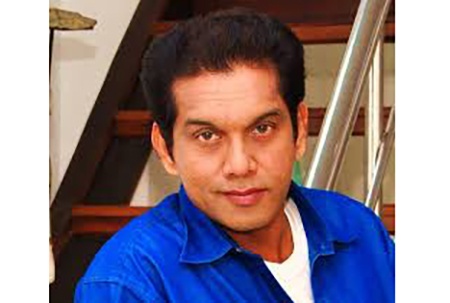
“How can Sri Lanka’s canned fish industry be developed when importers pay a duty of a negligible twenty five cents per kilo on the consignments they inject into the local market?”, asked Kamal Addaraarachchi, a member of the Canned Fish Producers’ Association of Sri Lanka.
This is ridiculous, he protested, adding that importers are given priority to the detriment of the local industry, which remains largely side-lined and fettered in its ambitious drive to boost the country’s economy.
With island-wide consumption at 250,000 cans per day, Sri Lanka imports canned fish worth Rs. 14.43 billion (US$ 78 million) annually. The products come largely from China, while Chile is also a source for procurement.
Though there are seven registered canned fish producing companies in Sri Lanka, only five are in active business, he said.
The local demand for canned fish has shot up as most people now avoid consumption of fish following the Peliyagoda corona outbreak. Canned fish is sold between Rs. 260-300 per 425g and small cans at Rs. 130-150.
However, with no effective price control mechanism coupled with the disruption in distribution, some traders have cashed in on the existing shortages to make a fast buck, consumers complained.
Unlike local producers, importers have no worries as they pay low duties and maintain a substantial margin so much so they can reduce as much as Rs. 25-50 per 425g can at any time and still make a profit, Addaraarachchi claimed.
The government should impose a cess on imported products to encourage local production, he emphasized.
He said that when procuring fish locally, there’s invariably 35% depreciation in terms of quality and another 15% is rejected due to poor handling. The fish that’s turned down is later sold as dry fish by suppliers, which is an unhealthy practice, he noted.
The high rate of rejection is due to non availability of facilities for fishermen to preserve their catch, which is an area that needs priority attention of the authorities to make maximum use of the country’s marine resources, he further said.
“At times, we import frozen fish from Japan, China and Chile to meet production demands”, he continued.
Asked whether the local industry has the capacity to meet the country’s annual demand for canned fish, Addaraarachchi outlined that imports should be gradually phased out until producers geared themselves to enhance production capacity.
Initially, if a stock of 150,000 cans is imported on a daily basis, this can be trimmed to 100,000 in a process that allows local production to systematically meet the shortfall. At the end of the day, the country will be saving a substantial volume of foreign exchange, he explained.
“We don’t want government subsidies. What we are asking for are adequate bank facilities to build up the industry. Within three months, we will be self-sufficient in canned fish and within a year even have excess stocks for export”, he added.
Addaraarachchi said the Association discussed their grievances with Trade Minister Bandula Gunawardena, who assured that the issues pertaining to duties (on imports) will be taken up with the Prime Minister and the Finance Ministry.




The U.S. Embassy in Colombo welcomed the U.S. Sports Envoys to Sri Lanka, former National Basketball Association (NBA) and Women’s National Basketball Association (WNBA) players Stephen Howard and Astou Ndiaye, from June 8 through 14.
The Public Diplomacy section of the U.S. Embassy said that it would launch a weeklong basketball program intended to harness the unifying power of sports, made possible through collaboration with Foundation of Goodness and IImpact Hoop Lab.
While in Sri Lanka, Howard and Ndiaye, both retired professional basketball players, will conduct a weeklong program, Hoops for Hope: Bridging Borders through Basketball. The Sports Envoys will lead basketball clinics and exhibition matches and engage in leadership sessions in Colombo and Southern Province for youth aged 14-18 from Northern, Uva, Eastern and Western Provinces, offering skills and leadership training both on and off the court. The U.S. Envoys will also share their expertise with the Sri Lanka Basketball Federation, national coaches, and players, furthering the development of basketball in the country. Beyond the clinics, they will collaborate with Sri Lankan schoolchildren to take part in a community service project in the Colombo area.
“We are so proud to welcome Stephen and Astou as our Sports Envoys to Sri Lanka, to build on the strong people-to-people connections between the United States and Sri Lanka,” said U.S. Ambassador Julie Chung. “The lessons that will be shared by our Sports Envoys – communication, teamwork, resilience, inclusion, and conflict resolution – are essential for leadership development, community building, equality, and peace. The U.S. Sports Envoy program is a testament to our belief that sports can be a powerful tool in promoting peace and unity.”
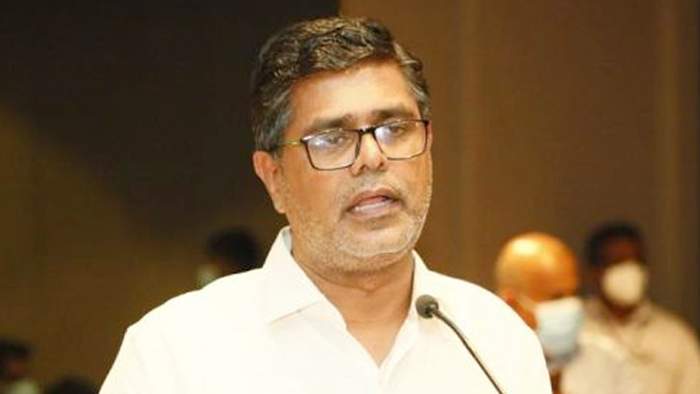
SJB Colombo District MP Mujibur Rahuman in parliament demanded to know from the government the reasons for CEB suspending the leave of all its employees until further notice from Thursday.
MP Rahuman said that the CEB has got an acting General Manager anew and the latter yesterday morning issued a circular suspending leave of all CEB employees with immediate effect until further notice.
“We demand that Minister Kanchana Wijesekera should explain this to the House. This circular was issued while this debate on the new Electricity Amendment Bill was pending. There are many who oppose this Bill. The Minister must tell parliament the reason for the urge to cancel the leave of CEB employees,” the MP said.However, Speaker Mahinda Yapa Abeywardena prevented Minister Wijesekera responding to the query and said that the matter raised by MP Rahuman was not relevant.
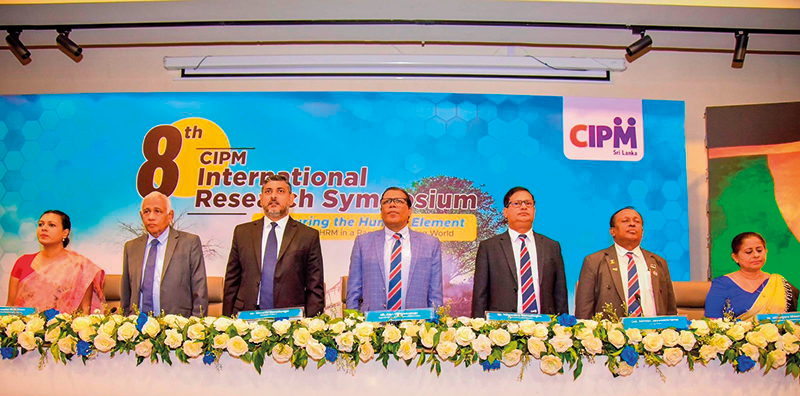
The Chartered Institute of Personnel Management (CIPM) successfully concluded the 8th Annual CIPM Symposium, which took place on 31st May 2024. Themed “Nurturing the Human Element—Redefining HRM in a Rapidly Changing World,” the symposium underscored the pivotal role of human resource management (HRM) in today’s dynamic global landscape. Since its inception in 1959, CIPM has been dedicated to advancing the HR profession through education, professional development, and advocacy, solidifying its position as Sri Lanka’s leading professional body for HRM.
Ken Vijayakumar, the President of the CIPM, graced the occasion as the chief guest. The symposium commenced with the welcome address by the Chairperson, Prof. Arosha Adikaram, followed by the Web Launch of the Symposium Proceedings and Abstract Book by the CIPM President. The event featured distinguished addresses, including a speech by Chief Guest Ken Vijayakumar, President of CIPM, and an address by Guest of Honor Shakthi Ranatunga, Chief Operating Officer of MAS Holdings Pvt. Ltd., Sri Lanka.
The symposium also featured an inspiring keynote address by Prof. Mario Fernando, Professor of Management and Director of the Centre for Cross Cultural Management (CCCM) at the University of Wollongong, Australia.
Vote of Thanks of the inauguration session was delivered by Dr. Dillanjani Weeratunga, Symposium Co-chair.
The symposium served as a comprehensive platform for researchers to present their findings across a wide range of critical topics in HRM. These included Cultural Diversity and Inclusion, Talent Development and Retention, Ethical Leadership and Corporate Social Responsibility, Adapting to Technological Advancements, Mental Health and Well-being at Work, Global Workforce Challenges, Employee Empowerment, and Reskilling and Upskilling.
The plenary session was led by Prof. Wasantha Rajapakse. Certificates were awarded to the best paper presenters during the valedictory session, followed by a vote of thanks delivered by Kamani Perera, Manager of Research and Development.
The annual symposium of CIPM was a truly inclusive event, attracting a diverse audience that spanned undergraduates, graduates, working professionals, research scholars and lecturers. This widespread interest highlights the symposium’s significance in the field of HRM, offering a unique opportunity for everyone to network and learn from scholarly brains.The CIPM International Research Symposium was sponsored by Hambantota International Port, Sri Lanka Institute of Information Technology (SLIIT), E B Creasy & Co. PLC, and Print Xcel Company.



US sports envoys to Lanka to champion youth development

Rahuman questions sudden cancellation of leave of CEB employees


