
News
Transforming Tourism

A serene mist envelope an ocean of luscious greenery and hills, deep in the depths of a stillness that is synonymous with the Sri Lanka’s highlands.About 180 kilometers away from the hustle of the capital city Colombo, so lies Riverston, part of the Knuckles Mountain Range—a popular nature trail and hike among the island’s many tourist destinations, and one of the many project sites that falls under the European Union (EU) funded, ‘Transforming Tourism in Sri Lanka: Emerging from crisis as a strong, resurgent and rebranded industry’ project.
Sri Lanka’s tourism sector has been subject to a series of challenges since the 2019 Easter Sunday Attacks, followed by the protracted impacts of the COVID-19 pandemic, and now, the economic crisis. The impacts of these crises, especially the pandemic, brought to light a host of challenges that continue to compound hardships of the most vulnerable populations that engage in the tourism industry. The island does have a penchant for coming together in tough times, for resilience and recovery. However, given the importance of tourism to those at various levels of society across the island and the economy, it was evident that the sector needed more support to sustain and grow.
With the core need of putting people first in mind, the United Nations Development Programme (UNDP) in Sri Lanka with financial assistance from the European Union (EU), conducted a ‘Rapid Assessment on the Impacts of COVID-19 on the Tourism Sector’. The assessment found: a) limited intra-governmental coordination, and sub optimal mechanisms to promote the tourism sector; b) limited priority given to the tourism sector at the provincial and local level; and, c) limited engagement of stakeholders and partners in policy and product development to be some of the key structural issues that prevent the industry from a reaching a faster recovery and increasing resilience of the sector.
In this context, to address the barriers identified in the assessment, with financial support from the EU, and in partnership with the Ministry of Tourism and the Sri Lanka Tourism Development Authority (SLTDA), the ‘Transforming Tourism’ project was launched. The project’s central focus is to support the Government of Sri Lanka to revitalize and reform the core structures that support tourism—governance, institutions, policy mechanisms, tourism products and promotion, sectoral transformation and financing—to create a more sustainable industry for people and the planet. The Project works towards transformative change in the industry, and to create tourism that is resilient, sustainable, inclusive and to be equipped to bounce back swiftly to generate returns across the whole economy, both for the betterment of the two million people that engage in tourism, and the country.
With the Ministry of Tourism and the SLTDA at the helm, and with technical and financial assistance from UNDP and the EU, the policy framework and the institutional capacities of the tourism sector actors were assessed and strengthened. A key output of this intervention was the support provided to the government partners to develop the National Tourism Policy. The implications of these higher-level, technical efforts can be witnessed on the highlands of the island, in the Central Province.
Between the evergreen, mist laden mountain ranges of Riverston-Knuckles and the infamous rock fortress Sigiriya, value chain and carrying capacity assessments, analysis on product diversification and upgrading potential, and the pilot testing of innovative and upgraded tourism products are underway to establish gender-sensitive experiences and services. The interventions are also being reinforced by a promotional campaign that characterizes the myriad of attractions within the Central Province.
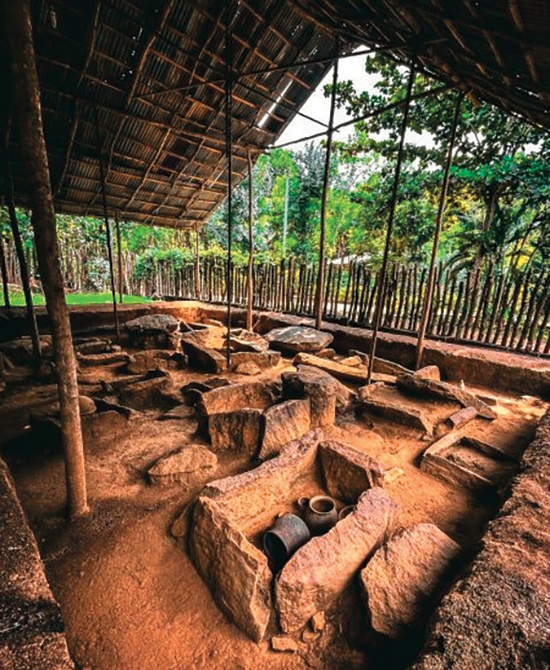
In Sigiriya alone, apart from the rock fortress that is known the world over, there is an abundance of lesser-known attractions that hold promise of drawing in more tourists. Across the province, there are around forty attractions including Pathana, Sera Ella, Bambarakiri Ella, Weddapeni Ella, surrounding Riverston. And, more closer to Sigiriya, there is a plethora of sites like the Ibbankatuwa Burial Site, Kaludiya Pokuna, Ritigala and much more that can increase visitations and augment tourism income for the province.
The ‘Transforming Tourism’ Project works towards building a transformed, competitive and resilient tourism sector, with requisite polices and institutional capacities to deliver unique and sustainable tourism experiences. With two million people depending on the island’s beaches, mountains and unique biodiversity to sustain their livelihoods, the support provided helps address structural governance issues that lays the foundation for more resources to be mobilized for the betterment of the industry, across the island. Particularly, the ongoing economic crisis further calls for more innovative approaches to tourism, to leverage the benefits that Sri Lanka’s natural resources offer. The gender-sensitive tourism products in the Central Province serves as a blueprint for the rest of the island to transition to sustainable tourism that promotes environmental conservation and also bring sustainable development gains to local communities.
Tourism has the incredible power and potential to advance prosperity and drive inclusive, sustainable development. The tourism sector touches almost every part of our economies and societies, enabling historically marginalized people and those at risk of being left behind to benefit from development that is local and direct. Sri Lanka is at a critical juncture, and, leveraging the current crisis to bounce back towards a greener, sustainable and environmentally conscious tourism offering outlines the country’s pathway to green development.


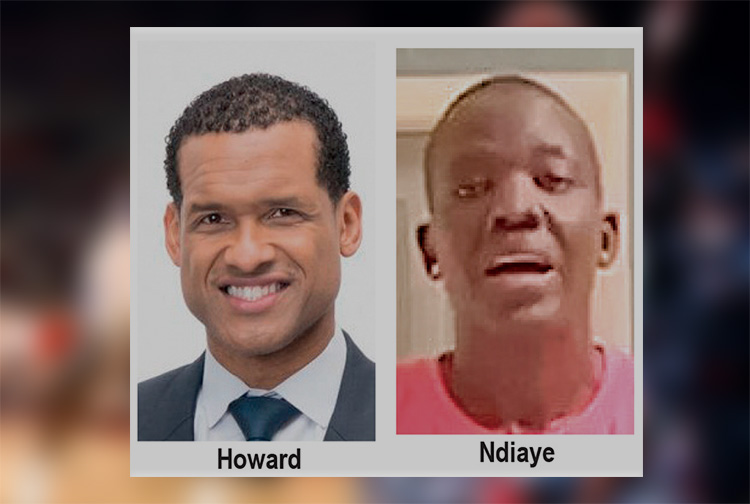
The U.S. Embassy in Colombo welcomed the U.S. Sports Envoys to Sri Lanka, former National Basketball Association (NBA) and Women’s National Basketball Association (WNBA) players Stephen Howard and Astou Ndiaye, from June 8 through 14.
The Public Diplomacy section of the U.S. Embassy said that it would launch a weeklong basketball program intended to harness the unifying power of sports, made possible through collaboration with Foundation of Goodness and IImpact Hoop Lab.
While in Sri Lanka, Howard and Ndiaye, both retired professional basketball players, will conduct a weeklong program, Hoops for Hope: Bridging Borders through Basketball. The Sports Envoys will lead basketball clinics and exhibition matches and engage in leadership sessions in Colombo and Southern Province for youth aged 14-18 from Northern, Uva, Eastern and Western Provinces, offering skills and leadership training both on and off the court. The U.S. Envoys will also share their expertise with the Sri Lanka Basketball Federation, national coaches, and players, furthering the development of basketball in the country. Beyond the clinics, they will collaborate with Sri Lankan schoolchildren to take part in a community service project in the Colombo area.
“We are so proud to welcome Stephen and Astou as our Sports Envoys to Sri Lanka, to build on the strong people-to-people connections between the United States and Sri Lanka,” said U.S. Ambassador Julie Chung. “The lessons that will be shared by our Sports Envoys – communication, teamwork, resilience, inclusion, and conflict resolution – are essential for leadership development, community building, equality, and peace. The U.S. Sports Envoy program is a testament to our belief that sports can be a powerful tool in promoting peace and unity.”
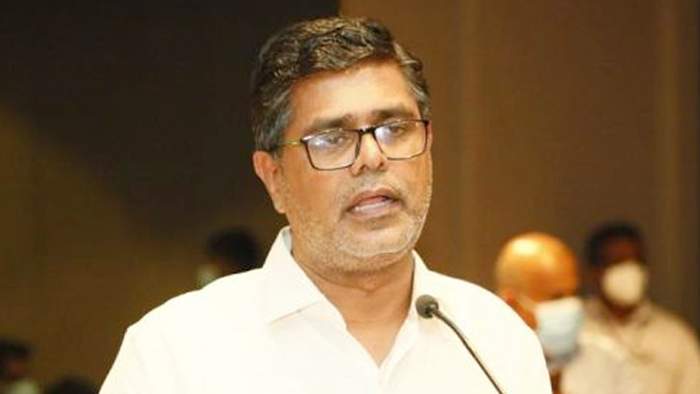
SJB Colombo District MP Mujibur Rahuman in parliament demanded to know from the government the reasons for CEB suspending the leave of all its employees until further notice from Thursday.
MP Rahuman said that the CEB has got an acting General Manager anew and the latter yesterday morning issued a circular suspending leave of all CEB employees with immediate effect until further notice.
“We demand that Minister Kanchana Wijesekera should explain this to the House. This circular was issued while this debate on the new Electricity Amendment Bill was pending. There are many who oppose this Bill. The Minister must tell parliament the reason for the urge to cancel the leave of CEB employees,” the MP said.However, Speaker Mahinda Yapa Abeywardena prevented Minister Wijesekera responding to the query and said that the matter raised by MP Rahuman was not relevant.
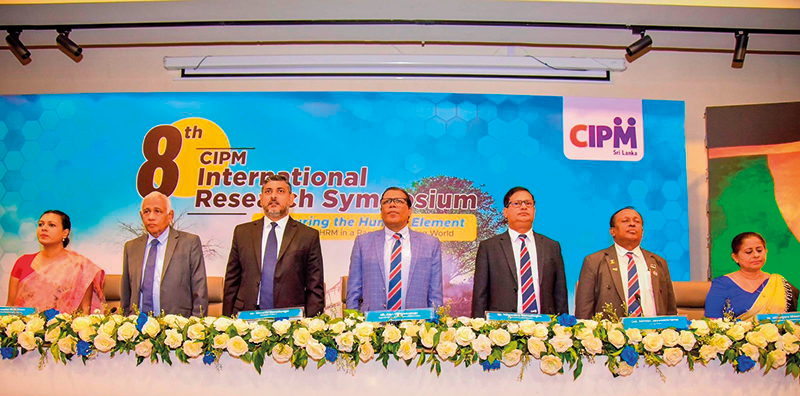
The Chartered Institute of Personnel Management (CIPM) successfully concluded the 8th Annual CIPM Symposium, which took place on 31st May 2024. Themed “Nurturing the Human Element—Redefining HRM in a Rapidly Changing World,” the symposium underscored the pivotal role of human resource management (HRM) in today’s dynamic global landscape. Since its inception in 1959, CIPM has been dedicated to advancing the HR profession through education, professional development, and advocacy, solidifying its position as Sri Lanka’s leading professional body for HRM.
Ken Vijayakumar, the President of the CIPM, graced the occasion as the chief guest. The symposium commenced with the welcome address by the Chairperson, Prof. Arosha Adikaram, followed by the Web Launch of the Symposium Proceedings and Abstract Book by the CIPM President. The event featured distinguished addresses, including a speech by Chief Guest Ken Vijayakumar, President of CIPM, and an address by Guest of Honor Shakthi Ranatunga, Chief Operating Officer of MAS Holdings Pvt. Ltd., Sri Lanka.
The symposium also featured an inspiring keynote address by Prof. Mario Fernando, Professor of Management and Director of the Centre for Cross Cultural Management (CCCM) at the University of Wollongong, Australia.
Vote of Thanks of the inauguration session was delivered by Dr. Dillanjani Weeratunga, Symposium Co-chair.
The symposium served as a comprehensive platform for researchers to present their findings across a wide range of critical topics in HRM. These included Cultural Diversity and Inclusion, Talent Development and Retention, Ethical Leadership and Corporate Social Responsibility, Adapting to Technological Advancements, Mental Health and Well-being at Work, Global Workforce Challenges, Employee Empowerment, and Reskilling and Upskilling.
The plenary session was led by Prof. Wasantha Rajapakse. Certificates were awarded to the best paper presenters during the valedictory session, followed by a vote of thanks delivered by Kamani Perera, Manager of Research and Development.
The annual symposium of CIPM was a truly inclusive event, attracting a diverse audience that spanned undergraduates, graduates, working professionals, research scholars and lecturers. This widespread interest highlights the symposium’s significance in the field of HRM, offering a unique opportunity for everyone to network and learn from scholarly brains.The CIPM International Research Symposium was sponsored by Hambantota International Port, Sri Lanka Institute of Information Technology (SLIIT), E B Creasy & Co. PLC, and Print Xcel Company.



US sports envoys to Lanka to champion youth development

Rahuman questions sudden cancellation of leave of CEB employees


