
Life style
Realizing a holistic sexual and reproductive health care system


Speaking to Sunday Island, Dr. Pramilla Senanayake, International Consultant in Sexual and Reproductive Health, former President of the Family Planning Association of Sri Lanka and Trustee of the AIDS Foundation, Sri Lanka, elucidates on the need for a more open dialogue about sexual and reproductive health among masses and enlightens on ‘myths and facts’ of sexual health which need to be mainstreamed. Following are the excerpts:
By Randima Attygalle
Q: As a woman who made a mark at a time when only a few women professionals were visible in sexual and reproductive health care, when you look back at your early years in the profession and now, do you notice any notable progress?
A:
If we look at statistics and numbers, we have done well. In terms of our contraceptive prevalence we are on par even with more developed countries. Our maternal mortality is quite low because our maternal health care system is effective. But still there are a lot of gaps – we see many unwanted pregnancies and abortions. Today the sexual debut is very early. A few decades ago, pre-marital sex was not as common as it is today. Yes, things have changed, we have moved on, but we still have a long way to go.
Q: In our much lauded public health care setting, what is the positioning of sexual and reproductive health care?
A: It is because of this effective public health care system that we have been able to introduce to it various elements that are relevant to reproductive health. But having said that, I must add that sexual and reproductive health is one of the neglected areas in the health setting. It is a subject that people are still reluctant to talk about openly as it involves sex and many ‘hush-hush’ aspects. Although more liberal-minded social levels of society are open about it, it is only a minority and sometimes they too can get wrong information about sexual health which needs to be dispelled. Certain other classes find the subject matter uncomfortable and even the term ‘sex education’ drives people into giggles and embarrassment. This is why we are trying to bring family life education into the school curriculum.
Q) What are your proposals to move forward and enable wider sexual health literacy?
A:
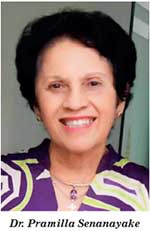 We need to talk to the public – parents, teachers, employers, employees etc. in a simple language without complicating things. For this, we need to engage competent professionals who can answer questions and debunk myths. The Family Planning Association of Sri Lanka has initiated programmes to reach out to young girls in the Free Trade Zone – to educate them on sexual health. This kind of intervention needs to be replicated in several other settings. Especially in this pandemic situation where there are lockdowns and restricted movement, sexual abuse is on the rise and the flipside is there is more opportunity now to get the message across. Our voices can be those in wilderness unless mass media joins hands. Mass media is an effective vehicle in communicating the message of sexual wellbeing.
Q: Sexual and reproductive health of those with disabilities still remains a less-talked about subject. Sexual needs of those with disabilities are often overlooked. What are your thoughts?
A:
We are all sexual beings including those with disabilities. Every human being has a right to a safe and rewarding sexual life and sexual health. We cannot afford to exclude those with disabilities; instead we need to assist them in finding other ways of gratification and work around such areas of gratification. Sexual life does not necessarily have to entail penetrative sex in a traditional sense, but it could involve sexual gratification in a broader sense which can be enjoyed by people with certain disabilities.
The issue is we don’t talk to them enough and educate them on sexual and reproductive health, clouded by the misconception that they have problems other than sexual needs to be burdened with. This is wrong. We need to be conscious of the fact that girls and women with disabilities are the most vulnerable to rape and sexual abuse. Institutions such as Ayathi affiliated to Ragama Rehabilitation Hospital addresses the concerns of those with disabilities, but there is an urgent need for many more similar institutions in the country.
Q: The aging population is on the rise worldover and Sri Lanka is no exception. In this context how important do you think it is to address the emotional and sexual concerns of this population?
A: It is very important to address their concerns. It is again similar to the case of those with disabilities – an often neglected topic. I’m a trustee of the Sunshine Senior Foundation which is dedicated to addressing areas of particular interest to senior citizens and we do enable dialogue on this topic. Yet we need to create a better dialogue at national level, challenging as it may be given our cultural context in which intimacy in old age is almost a taboo.
Q: Although Sri Lanka still remains an HIV low-prevalence country in a global context, HIV-positive cases are accelerating. As an activist fighting HIV, what are your comments on this rising trend?
A:
It is a very worrying situation, especially since we are still considered a low-prevalence country. The biggest bottleneck in the fight against HIV is social stigma. Through the AIDS Foundation of Sri Lanka, we try to assist in providing accommodation for HIV-positive people. Despite our ability to fund houses for them, many landlords were reluctant to rent out houses and in certain situations, although the landlord was willing, there was enormous protest from neighbours.
Despite the country having a system for voluntary testing and counseling for HIV, not many come forward to be tested. Today there are many commercial sex workers and men who have sex with men, those with multiple partners. These are high risk groups. We should also not forget prison inmates who are another high risk group. Although the Family Planning Association of Sri Lanka and some other agencies are working with prison communities on this, there should be more muscle given to their work in preventing HIV.
In Sri Lanka many of the HIV positive cases are detected through pre-natal clinics where pregnant women are tested for it. But this is just the tip of the iceberg as a considerable percentage go unreported. Today with COVID taking the centre stage, many other health concerns including HIV have gone backstage. Yet we cannot afford to be complacent about these health issues which will take a toll on the entire national fabric of the country.
Although we have done quite well in our other health domains, the same cannot be said of HIV education. Several of our regional counterparts including Pakistan and India are using very innovative means of addressing this issue. Countries such as Japan, South Korea and Singapore have very good models on combating HIV from which we could learn a lot.
FACTS Vs MYTHS
*Myth: All birth control methods are equally effective at preventing pregnancy
*Fact: Each method has a different level of effectiveness. The ones that are best at preventing pregnancy (over 99% effective) are sterilization, IUDs, implants, and injectables. Pills, patches and the ring are about 91% effective. Condoms are 79-85% effective, emergency contraceptive pills are 89-95% effective, and withdrawal is much less effective. Using birth control consistently and correctly each and every time will increase the chances of their effectiveness
*Myth: Emergency contraception is only effective the morning after unprotected sex
*Fact: The emergency contraception pill (ECP) is sometimes called the ‘morning-after-pill’. Although the ECP should be taken as soon as possible, it does not have to be taken in the morning. There are two types of ECP that work for up to four or five days after sex and they are both more effective when taken as soon as possible. The ECP is not an abortion pill. If you are already pregnant, ECP will not work.
*Myth:
You can’t get pregnant during your period
*Fact:
It is unlikely, but still possible—especially if you’re not using birth control. Some women have long periods that overlap with the beginning of ovulation, which means they can be fertile even though they’re menstruating. If you have a short cycle (21 days, for example) and your period lasts a week and you have sex close to the end of your period, you could become pregnant since sperm can live for up to 72 hours in your reproductive tract.There’s also the infamous late-in-life pregnancy that can occur during perimenopause, when periods are erratic. It is not safe to ditch birth control until you haven’t had a period for a year.
*Myth:
You only need to worry about sexually transmitted infections (STIs) if you have multiple partners
*FACT:
As long as you are sexually active you should remember that contracting an STI is a possibility, even if you only have one sexual partner. It’s a good idea to make sure you and your partner(s) are tested for STIs before having sexual intercourse together for the first time. It’s also recommended that you regularly test for STIs if you are sexually active.
*Myth:
You can’t get STIs if you don’t have penetrative sex.
* FACT:
STIs can spread from skin-to-skin contact and from bodily fluids. This means you can catch STIs from having any type of sex, including penetrative vaginal sex, but also from anal sex, oral sex , using your hands, intimate skin contact and sharing sex toys.



Institute of Hospitality Sri Lanka
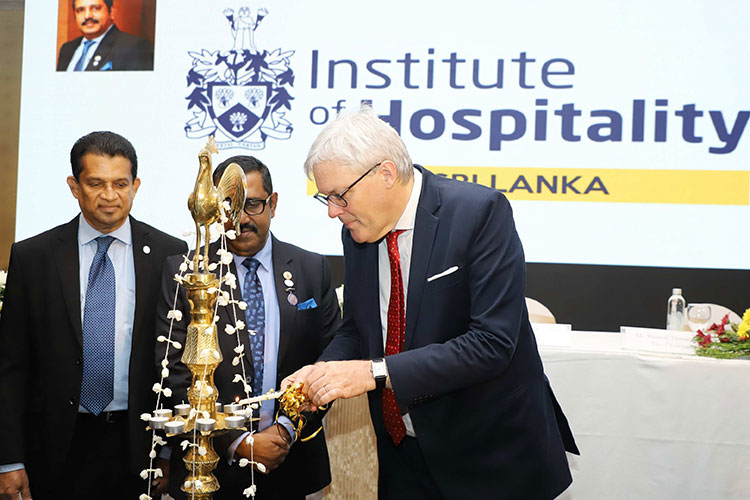
 The 32nd Annual General Meeting (AGM) of the UK-based Institute of Hospitality’s Sri Lanka Chapter was held recently at the Ramada Hotel Colombo,.The event provided an evening of camaraderie , reflection of the past and present achievements,setting new benchmarks for the future
The AGM had the presence of two distinguished guests, the Chief Guest Opposition Leader Sajith Premadasa, and the Guest of Honour British High Commissioner to Sri Lanka, Andrew Patrick. Their inspiring speeches were lauded by all hoteliers who were present at the occasion
A special thanks was extended to Robert Richardson, CEO of the Institute of Hospitality UK, along with his team, sponsors, committee members, and all attendees for making the event memorable.
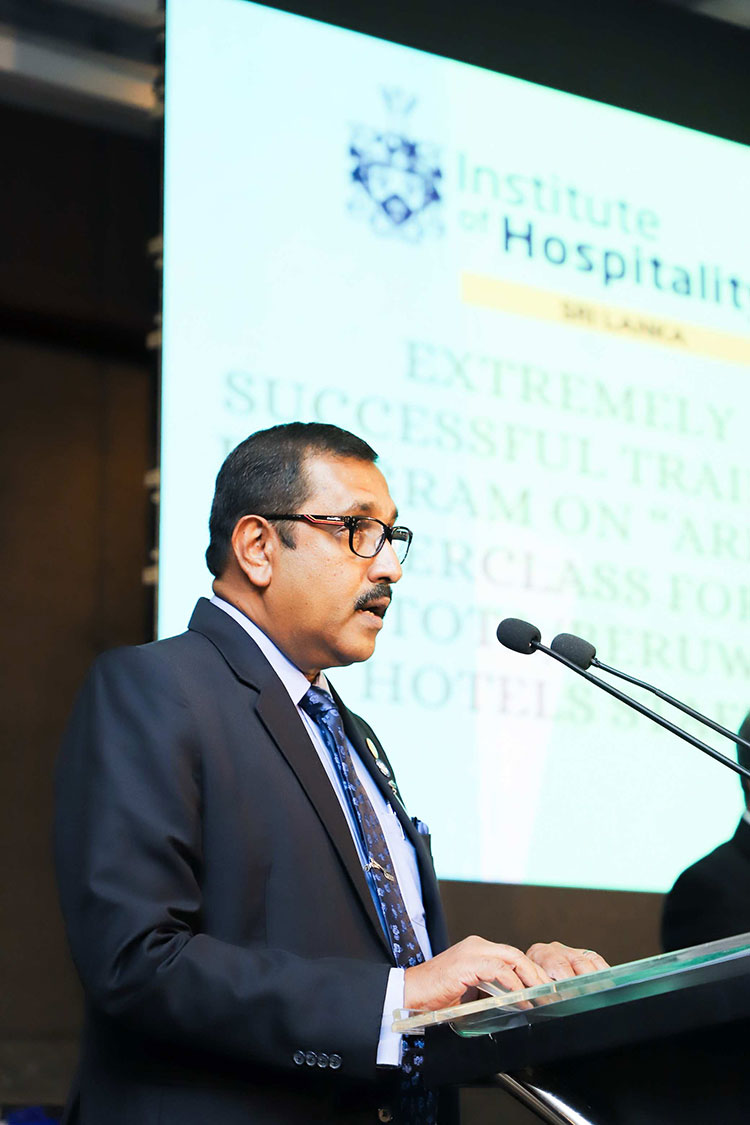
Dr. Harsha Jayasingh, Past President of the Institute of Hospitality (UK) Sri Lanka Chapter, emphasised the Institute’s longstanding history and the strength of its Sri Lankan branch. “The Institute of Hospitality (IH) UK has a history of 86 years, and we are proud to be the Sri Lanka Branch. IH Sri Lanka is much stronger now with many members from all areas of the hospitality industry,” he stated.
Dr. Jayasingh highlighted the significant role of tourism in Sri Lanka’s economy,. He said tourism it is the third-largest source of revenue for the country. “Tourism accounts for about 13.3% of total foreign exchange earnings and employs 450,000 people directly and indirectly. The hospitality industry in this island of pearl holds tremendous potential for economic growth, job creations, and cultural exchange,” he added.
He also pointed out more women should be attracted to the industry and advocated for the use of technology in hospitality sector to attract the younger generation.
The newly appointed Chairman Ramesh Dassanayake spoke about the challenges faced by the industry, including the reluctance of youth to join the sector. . Dassanayake expressed concerns over the migration of staff between hotels and the overall ‘brain drain’ in the sector. ” We must maintain high standards in the hotel We must try to attract tourists to Sri Lanka, we must have with many facilities Hence, hotel schools and other professional institutions involved in skills development mustincrease their intakes,” he pointed out.
Chief Guest Sajith Premadasa emphasised the importance of eco tourism and said “We need to have an environmental policy related to tourism in place,” . .
The 32nd AGM of the Institute of Hospitality UK, Sri Lanka Chapter, was a testament to the strength and potential of Sri Lanka’s hospitality industry. The insights and commitments shared during the event set a new benchmark for the future.(ZC)



Pix by Thushara Attapathu
Life style
He recognizes human identity beyond boundaries of gender, race, nationality and religion.

Visit of Sri Gurudev to Sri Lanka
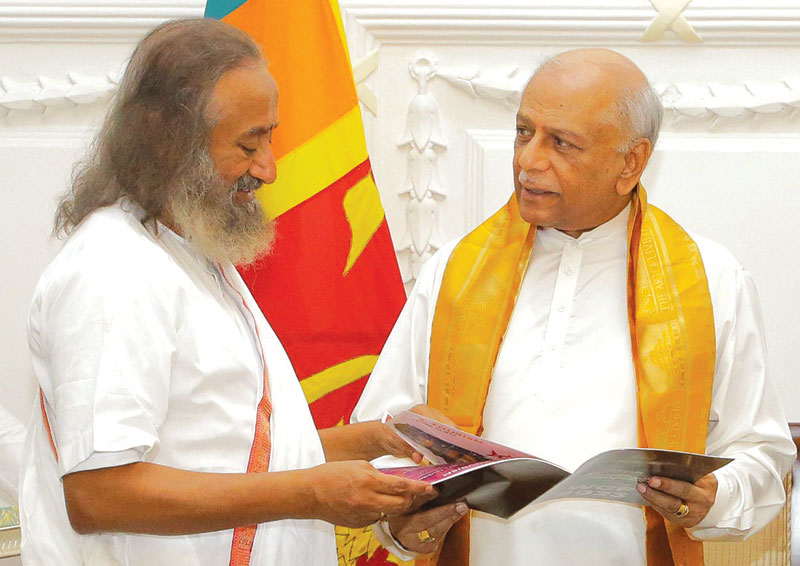
Humanitarian, spiritual leader and Global Ambassador of Peace Gurudev Sri Sri Ravi Shankar (Sri Gurudev) was in Sri Lanka on a three day tour on the invitation of the Prime Minister of Sri Lanka Dinesh Gunewardene. Gurudev who inspired a wave of volunteerism and service to moot one of the largest volunteer-based organisations in the world – The Art of Living – visited the various projects under the aegis of the foundation and launched twelve vocational and technical centers around the island. He was accompanied by thousands of followers from Sri Lanka and around the world.
Gurudev who visited Sri Lanka for the sixth time also had a first day cover launched in honour of his visit. He is a strong proponent of spreading happiness, using the unique Sudarshan Kriya, yoga, meditation and practical wisdom to unite people, empower individuals and transform communities. His programmes provide techniques and tools to live a deeper, more joyous life, while his non-profit organisations recognize the human identity beyond the boundaries of gender, race, nationality and religion.
The Art of Living which has more than 30,000 teachers and over one million volunteers across 180 countries has touched in excess of five hundred million people around the world. CNN called it “Life Changing” and The Washington Post headlined it, “Fresh air to millions”.
In Trincomalee, Gurudev met with war victims and had a heartwarming engagement with the children from the children’s homes run by the Foundation. He also visited the Koneswara Temple in Trincomalee and graced the Kumbhabhishekam at Seetha ecogPnize the human identity beyond the boundaries of gender, race, nationality and religion. Amman temple at Nuwara Eliya. He held discussions with the trustees on the progress of the foundation’s social service projects, while also holding a special event – Ekamuthuwa – attended by a large number of dignitaries and his devotees from around the world.
His time with the Prime Minister was spent discussing the prospects of unity in diversity and uniting Sri Lanka by adding happiness into the formula of living. In addition he had discussions with the Speaker of the Parliament of Sri Lanka Mahinda Yapa Abeywardena, prominent business stewards and civil society leaders.
by Zanita Careem
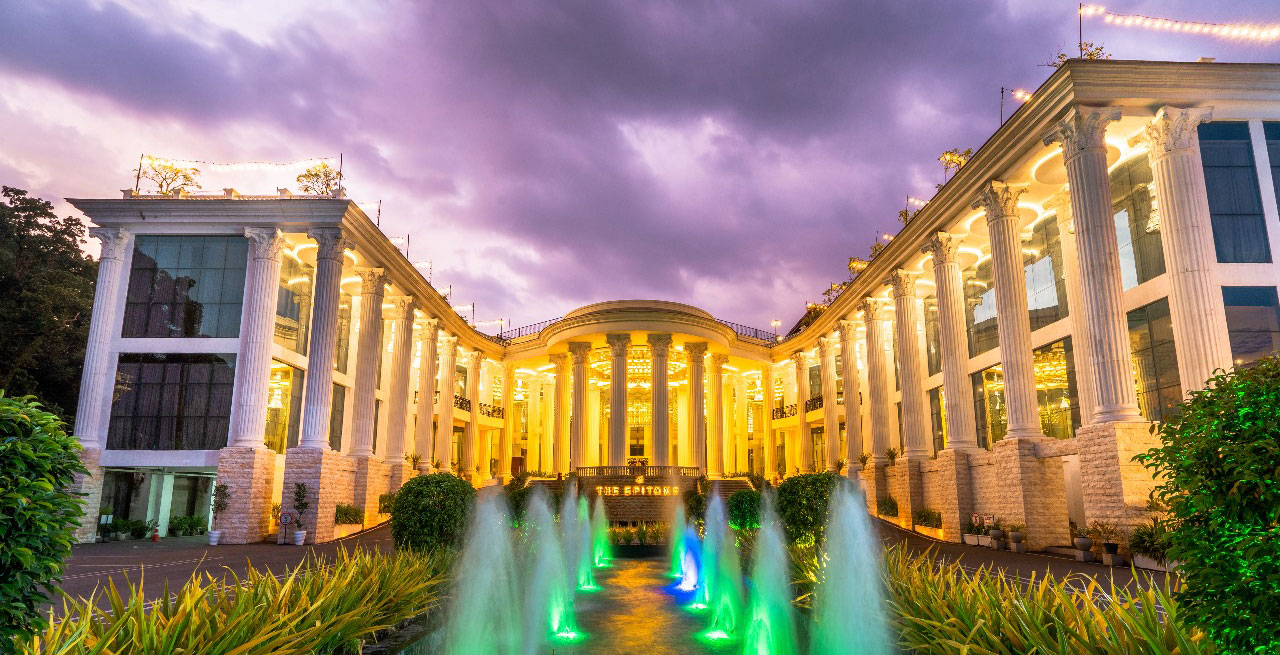
Envison your dream wedding day come to life at the Epitome Hotel, a prestigious city hotel in Kurunegala offering an unrivalled luxury rendors experience for weddings.
The venue is designed to embody opulence and luxury from all quarters for a spectacular wedding in kurunegala,Thier ballroom is the largest banquet facility in Sri Lanka It can be divided into six luxurious pillarless wedding halls on the ground floor and 25pax smaller banquet halls.
It can be easily named as a five star heaven in the heart of the city contributing to a myriad of immense experiences tailored to inspire and delight wedding experiences.
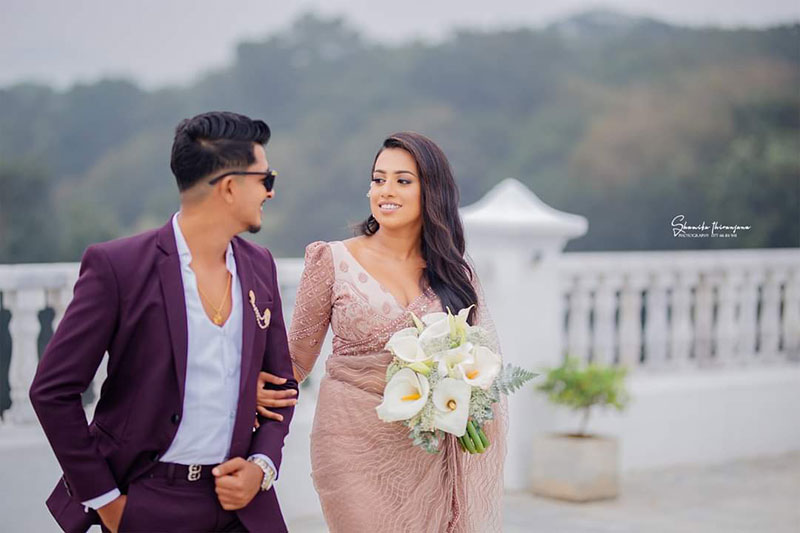
From opulent décor set up to exquisite table decor, lavish food, every detail is meticulously curated to spark your imagination and ignite creativity for a perfect wedding. The previous prestigious wedding shows season one and season two attracted large crowds
were unique events which gave the wedding vendors and potential clients had an opportunity to connect and interact with each other. Beyond being a showcase it was a chance for the wedding vendors to unite and contribute to the vibrancy of the wedding industry. The wedding show covered all area of the bridal industry providing a comprehensive variety of bridal supplies from Sri lanka and became the most popular bridal exhibitions in Kurunegala.This bridal exhibitions allowed brides and grooms to experience first hand the products and services available from suppliers in Sri Lanka
These wedding shows held at The Epitome created a benchmark and gave an opportunity for vendors to create connections to the utmost satisfaction said Harshan Lakshita Executive Director. of the magnificent Hotel
Our wedding shows featured experts and professionals in every field‘ It covered all areas of the bridal industry provided a comprehensive variety of bridal supplies from Sri lanka and became most popular bridal exhibition in this region.We are always open to everyone to join us at our wedding shows in the future. It is an opportunity to discover the incredible talent within our local wedding and bridal vendors to make meaningful relationships and plan thier special day at our breathtaking hotel The Epitome said General Manager Kavinda Caldera
The Epitome Hotel’s bridal show which will be held end of June will buzz with great ideas,advice and inspiration for all those who plan thier dream wedding
…….
The Hotel Epitome’s Wedding Season 3 will marked excellence, celebration and inspiration for those in the wedding industry. The exhibition halls will resonate with ideas on exquisite bridal wear to decor, florists , photography etc and showshowcase the rich tapestry of talent within the local wedding industry. .






US sports envoys to Lanka to champion youth development

Rahuman questions sudden cancellation of leave of CEB employees


