Features
Physicians warn of Post-COVID complication in children and adolescents

The symptoms could mimic dengue, calling for urgent treatment
by Randima Attygalle
A post-COVID complication affecting children and adolescents, Multi-system Inflammatory Syndrome in Children (MIS-C), also called Paediatric Inflammatory Multisystem Syndrome (PIMS), was first identified in April last year by doctors at children’s hospitals in the US and the UK.
Since then it has been reported in several parts of the world. Several children here are presently being treated for the disease at the Lady Ridgeway Children’s Hospital for Children (LRH).
A post-COVID complication affecting children and adolescents, largely those between two to 15 years, MIS-C causes inflammation of the blood vessels affecting multiple organs including the liver, kidneys, heart and eyes.
Speaking to the Sunday Island, Dr. Nalin Kitulwatte, Consultant Paediatric Intensivist in charge of the Paediatric Intensive Care Unit of the LRH, said that this ‘relatively new disease’ which is developed after two to six weeks of being infected with COVID-19, is believed to be due to the body’s immune response to the presence of the Corona virus.
“The manifestation could be very mild in certain cases and very severe in some with the involvement of the heart.” Although the inflammation of blood vessels can limit blood flow, damaging multiple organs as reported in various countries, so far the Sri Lankan experience has largely involved the heart, said the Consultant.
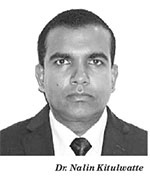

MIS-C which has not been reported in babies so far, largely affect children from two to 15 years according to the world literature. Locally, out of the nearly 20 reported cases so far, the majority of children affected have been between eight and 15 years old.
However, there have also been cases presented in young adults of 20 years in some countries, calling for continuous research to determine whether the condition could be extended beyond a paediatric complication, remarked Dr. Kitulwatte.
“We still know only a very little of the behaviour of the virus; there is ongoing research and we are constantly keeping abreast with world literature, educating our doctors to be very vigilant of the common symptoms of MIS-C such as the redness in the eyes, skin rashes, fever, loss of appetite, body aches, fatigue, abdominal pain, vomiting and diarrhea.” Guidelines in managing MIS-C locally have already been published, he added.
Diagnosis of MIS-C could be “very tricky” Dr.Kituwatte said, as symptoms could mimic other conditions, especially dengue. “Children infected with COVID are largely asymptomatic, making the diagnosis of MIS-C which is a post-COVID complication even more challenging.” Several MIS-C suspected children who were admitted to LRH also showed leptospirosis-like (commonly called mee una or rat fever) symptoms the paediatrician further said.
A notable finding among the local reported cases of MIS-C, Dr. Kitulwatte explained, was that all children diagnosed with MIS-C were ‘well-developed.’ “Although it is a necessarily a COVID-associated complication, none of the children we treated had any other co-morbidities apart from being tested positive for COVID.”
The treatment for MIS-C which includes IV immunoglobulin and anti-inflammatory drugs is quite costly, remarked the consultant. “In the state sector itself, around 100,000 to 200,000 rupees is spent on each child.”
If any of the MIS-C symptoms are suspected in a child, seeking immediate medical care is urgent, Dr. Kitulwatte said. “Today many parents are reluctant to expose children to hospitals in fear of COVID. However, without trying home remedies or any ad hoc treatment, it is urgent to visit your doctor if your child is suspected to have any of the common symptoms as MIS-C could be fatal if mismanaged,” he reiterated.