Life style
New treatment to fight Acute Leukemia

Dr. Colin Phipps Diong from Parkway Cancer Centre, Singapore was in Sri Lanka to participate at the 20th Annual Academic Sessions 2023, hosted by the Sri Lanka College of Oncology. Dr. Colin Phipps shared his expertise on CART T. Cell therapy for the treatment of Leukemia during the sessions held in Colombo.In an interview with Dr. Colin Phipps, he explains how to battle with acute Lymphoma and the modern treatment options available for patients.
By Zanita Careem
Acute Leukemia or blood cancer is a broad term for cancers of the blood cells. Acute Leukemia is a fast growing cancer that progresses rapidly. The aggressive nature of different type of cancers requires more intense and timely treatment in early stages. Dr. Colin says acute Leukemia can be categorised into main subjects Acute Myeloid Leukemia and acute Lymphocytic Leukemia. CML. The difference between the two depends on the type of white blood cells affected. While Acute Lymphocytic Leukemia , the cancer affects cell lymphocytes a type of white blood cell that helps fight infection in the bone marrow.This occurs when our body produces an abnormal number of B cells in our body and destroys the healthy cells . He explains acute Leukemia have become highly treatable . He explained that whereas in the past,chemotherapy was the main modality for these two kinds of chronic leukemia,recent medical advancements have shifted the treatment paradigm to targeted therapy alone.
This therapy refers to a type of precision medicine that targets specific genes and proteins that control the growth and spread of cancer. This therapy is more specific and will have much less negative effects on normal healthy life added Dr Dong.
Dr Dong said in general, the key factors that affect the outcome of treatment for acute Leukemia includes whether patients are fit enough to receive treatment. Although it is a challenging disease to manage,but because of modern advances it can be brought under control said Dr Dong. This advanced treatment is called Cart T. Therapy. (Chimeric Antigen Receptors) These CART T- Cell therapy is basically making your own immune cells to kill the cancer directly. It is a highly specialised therapy that involves genetically modifying a patient’s own T-cells to attack their cancer.
Experiments have shown t his treatment is highly effective, for those patients with very advanced cancers and for whom other treatments no longer work. CART T-Cells clinical trials have generated impressive results in patients with blood cancers explained Dr. Dong.
This therapy usually requires a hospital stay, but for some patients we now offer it without a hospital stay said the Dr.
To qualify for CART T-Cell treatment, the patients should be those who have not responded to any other medical treatments or a patient with repeated lymphoma. The patient must also be healthy enough to undergo this treatment. When asked about the recovery Dr. Dong said all patients recover in the hospital after 1-2 weeks.
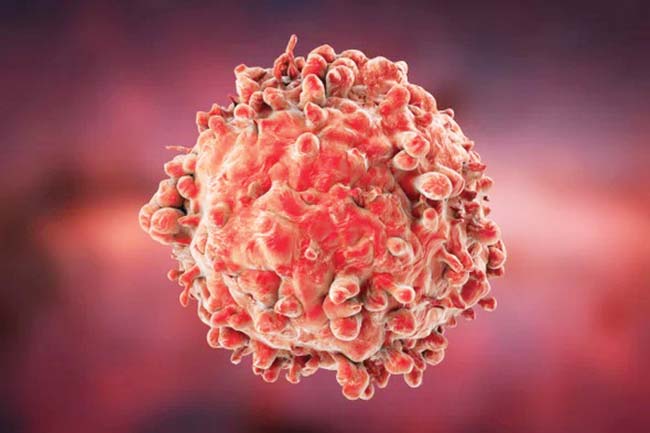
An Ongoing Revolution in Blood Cancer
Dr. explained that there are many causes for acute Leukemia, Chemical exposure,people who work in factories like rubber and petroleum are more likely liable for acute Leukemia.
Following treatment, patients need to return for regular checkups and blood tests to monitor status of their acute cancer. A patients should also be encouraged to adopt healthy eating habits, getting regular physical activity, maintain healthy weight and refrain from smoking.
Furthermore Dr. Dong explained patients should recognise that treatment for major illness can take a toll on thier psychological well being and know how and when to seek help.
“For many l cancers reasons are unknown. For lung cancer smoking is identified as the the definite cause. But at the same time there are many people who don’t smoke but who also suffer from lung cancer. Even for acute Leukemia causes are unknown said Dr Dong.
He also explained some of the symptoms for Leukemia. He said spontaneous bleeding or getting sick very often and having symptoms like high fever which could be signs of this cancer. Also sweating a lot ‘until your pillow gets wet’ could be a major symptom of acute Leukemia, according to Dr. Dong.
Dr Colin Phipps Diong is a Senior Consultant, Haematologist at Parkway Cancer Centre. His subspecialty interest is in lymphoma, Leukemias and myeloma, as well as haematopoietic stem cell transplantation and cellular therapy.
He received his medical degree from the National University of Ireland in 2002 and subsequently completed Internal Medicine residency and specialist training in Haematology at Singapore General Hospital. He obtained his MRCP (UK) and FRCPath (UK) in 2006 and 2011, respectively. He was awarded the HMDP fellowship to pursue subspecialty training in Lymphoma and Bone Marrow Transplantation at the renowned Fred Hutchinson Cancer Research Centre in Seattle.