
Life style
How Indian Perfumers Capture the Smell of Rain

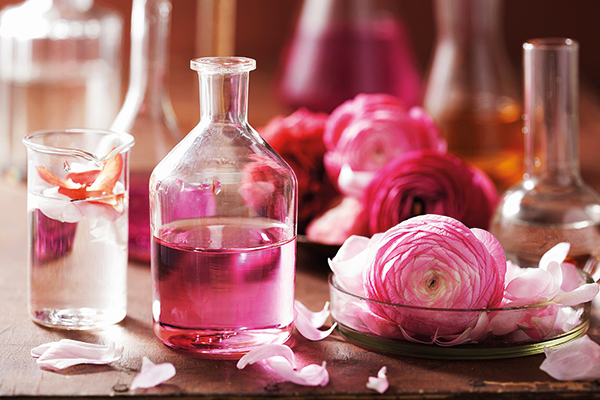
In Kannauj , perfumers have been making monsoon- infused mitti attar for centuries
BY ZINARA RATHNAYAKE
THE ALLURING, MUSKY FRAGRANCE OF marigolds floats from a Hindu shrine, as a group of men laugh over ginger-infused milk teas served in clay cups called kulhads. In a nearby perfume distillery, a man turns his head towards the laughter as he crushes a batch of discarded kulhads. Here in Kannauj, a town in the north Indian state of Uttar Pradesh, generations of perfumers have used kulhads and other clay materials to capture an enticing scent known as mitti attar.
“It’s the smell of the baked, parched earth when the first rains arrive after a long drought,” says Rajat Mehrotra, co-owner of the family-run Meena Perfumery. Perfumers like Mehrotra, who runs the company with his brother, have been bottling the enigmatic fragrance for centuries.
At his office, some 500 feet away from Meena’s tin-roofed distillery, Mehothra carefully pours the thick mitti attar oil into a glass bottle. “You cannot get mitti attar anywhere else,” he says, resting his eyes on each precious drop—0.26 gallons sell for about 180,000 Indian rupees, around $2,178.
Attars, also spelled ittar, are scented oils made from natural ingredients. The scent profiles in attars vary widely, from fragrances derived from flowers such as Damsak roses and jasmine to heavy, warm scents made from agarwood. Mitti means “earth,” and mitti attar loosely translates to the smell of rain-soaked earth. The fragrance is made only here in Kannauj using a special, centuries-old technique.
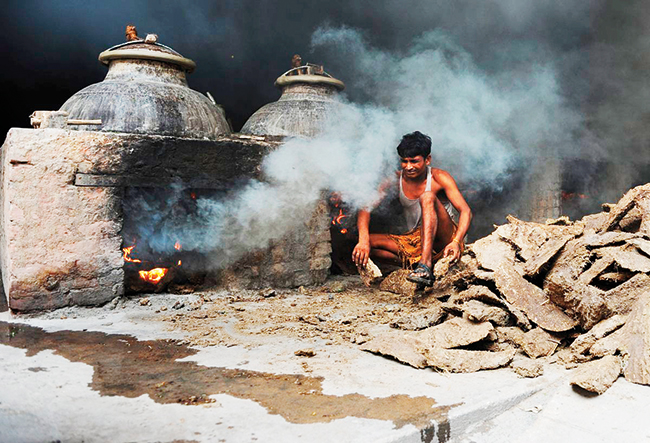
A worker carefully maintains the flames beneath the aromatic-filled copper vats, using dried cow dung to increase the heat or water to cool the flames
Despite the scent’s long local history, little is known about mitti attar’s origins, says Giti Datt, a boutique perfume house owner and an anthropologist at the Australian National University who studies attar. Datt says nobody knows when attars were first made or why Kannauj is the epicenter. It’s believed that attar distillation is similar to a distillation method found in the Indus Valley Civilization between 3300 BC to 1300 BC. “If that’s true, the process has survived the fall of civilizations and empires and conquerors,” says Datt.
Ancient Indus people used aromatic waters and plant extracts to create different scents used in medicine and religious rituals; later Vedic Age people continued these practices, wrote historian Jyoti Marwah in the paper, Attars: The Fading Aromatic Cultures of India. The Sanskrit epic Mahabharata—compiled by the end of the 3rd century—also mentions the use of perfume in royal courts. This indigenous Indian perfume practice later mingled with fragrance traditions of early Muslims who arrived in the subcontinent, says Datt. “So we ended up with a very unique, rich combination of Indo-Islamic perfume culture.”

This early 19th-century gouache painting shows a Muslim perfume seller (right) with his wife (left)
In the 19th century, the British colonized India and wiped out many indigenous art forms. “So we are trying to figure out what that meant for attar,” says Datt, who hasn’t found any Kannauj perfumery with pre-British origins. Mehrotra family’s business can only trace its roots to the 20th century. Although there’s little evidence, it’s possible that the British wanted to make attar into a commodity and set up the Kannauj perfume houses, says Datt.
Despite these murky origins, today mitti attar is well-known throughout the Indian subcontinent. Sacred Hindu scriptures such as the Bhagavad Gita reference the earth’s aroma after rainfall. “One can assume that it could be part of the inspiration for why people started bottling this unique smell,” says Datt.
Back at the factory, Mehrotra watches as a distiller collects kiln-baked clay discs bought from a local potter and other discarded clay materials, such as kulhads. The perfumer then dumps the clay materials (some 600 pounds of the stuff) into a large copper vat called a deg and pours in some water before closing it.
The distiller then takes a small, long-necked copper vessel, called a bhapka, that’s filled with sandalwood oil—the base of all attars. The bhapka’s opening is fixed to an angled bamboo pipe, which is in turn connected to the clay-filled deg. Once the set-up is complete, the distiller seals any opening with wet multani mitti, a type of clay often used as a skin cleanser. “Now, it’s naturally air-tight,” Mehrotra says, smiling.
Using a mix of wood and sun-dried cow dung, the distiller then lights up a small, carefully-controlled fire beneath the deg. For about seven hours, the clay and water-filled deg simmers over the flames. Mehrotra watches as the distiller splashes water onto the blaze, “because he knew the heat was too much.” If the flames go down, the distiller will add more cow dung to keep the fire hot enough.
When the clay boils inside the heated deg, an aromatic steam builds up and travels through the bamboo pipe and into the oil-filled bhapka. The sandalwood oil inside the bhapka then slowly absorbs the clay-essence of the vapour.
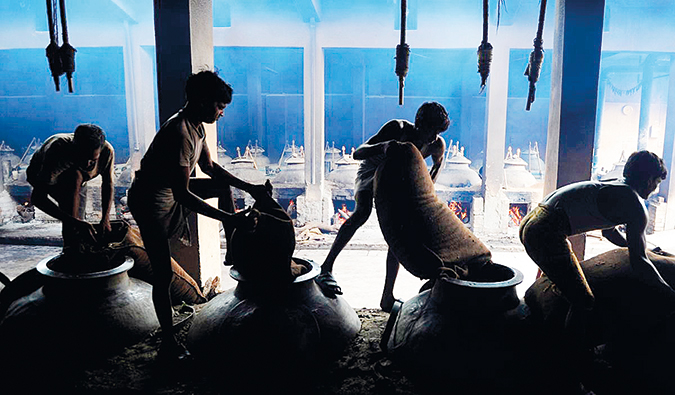
To make different scents, perfume distillers fill large copper vats with aromatics. When making mitti attar, they fill the vats with some 600 pounds of clay.
At the end of the day, the distillers separate the water from the sandalwood oil through a small opening. The entire process repeats for at least ten days until the thick oil is saturated with the heady fragrance of baked clay that mimics the smell of earth after monsoon showers. “You won’t get any smell in one day. It takes at least four or five days to start getting the aroma,” Mehrotra explains.
Once finished, perfumers store the mitti attar in camel-skin flasks, which helps excess water to evaporate and preserves the fragrance. “Attar is like liquor,” Mehrotra laughs. “It ages like fine wine. The older it becomes, the [more] mature and expensive it gets.”
Mehrotra has visitors and buyers from many countries, from Grasse, France, the “perfume capital of the world,” to New Delhi and Mumbai. “People from Grasse come here to see how we make mitti attar. They’ve tried [to make] it but they can’t get the right essence,” he says, showing his WhatsApp chats with French perfumers. Some of Mehrotra’s other buyers mix synthetic materials with attar to create new, unique scents of their own. “Attar is the base. They can’t make those perfumes without it. So anyone who wants natural perfume oil has to come here,” he says.
Distillers in New Delhi once made their own attars to use in paan, an after-meal mouth freshener in India, says Datt. But over the years, paan has fallen in popularity. “So a lot of those distillers stopped and moved into other businesses,” she says.
Despite these industry shifts, Datt says that attar continues to endure and evolve. “I don’t think it’s a dying industry, but certainly a changing one,” she says. “Certain types of markets—like paan—[are] maybe no longer there, but there are new, up-and-coming perfume houses in India that use attar, and we are seeing an increasingly growing switch towards natural oils across the world.”
Mehrotra says there’s more demand for attar than ever before. “If you use chemical perfumes, it’s not good for your body,” he says, “but attar is natural. You can even eat it!” It seems as long as people continue to savor the scent of monsoon rains on dry earth, mitti attar isn’t going anywhere.



Institute of Hospitality Sri Lanka
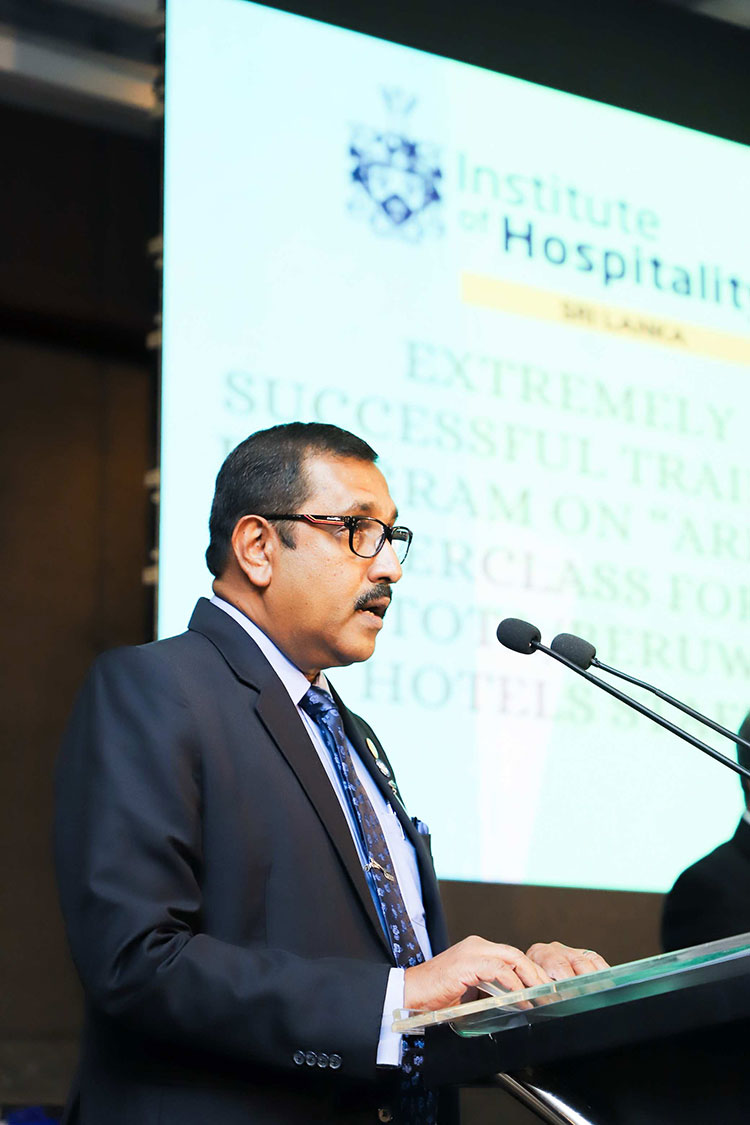
 The 32nd Annual General Meeting (AGM) of the UK-based Institute of Hospitality’s Sri Lanka Chapter was held recently at the Ramada Hotel Colombo,.The event provided an evening of camaraderie , reflection of the past and present achievements,setting new benchmarks for the future
The AGM had the presence of two distinguished guests, the Chief Guest Opposition Leader Sajith Premadasa, and the Guest of Honour British High Commissioner to Sri Lanka, Andrew Patrick. Their inspiring speeches were lauded by all hoteliers who were present at the occasion
A special thanks was extended to Robert Richardson, CEO of the Institute of Hospitality UK, along with his team, sponsors, committee members, and all attendees for making the event memorable.
Dr. Harsha Jayasingh, Past President of the Institute of Hospitality (UK) Sri Lanka Chapter, emphasised the Institute’s longstanding history and the strength of its Sri Lankan branch. “The Institute of Hospitality (IH) UK has a history of 86 years, and we are proud to be the Sri Lanka Branch. IH Sri Lanka is much stronger now with many members from all areas of the hospitality industry,” he stated.
Dr. Jayasingh highlighted the significant role of tourism in Sri Lanka’s economy,. He said tourism it is the third-largest source of revenue for the country. “Tourism accounts for about 13.3% of total foreign exchange earnings and employs 450,000 people directly and indirectly. The hospitality industry in this island of pearl holds tremendous potential for economic growth, job creations, and cultural exchange,” he added.
He also pointed out more women should be attracted to the industry and advocated for the use of technology in hospitality sector to attract the younger generation.
The newly appointed Chairman Ramesh Dassanayake spoke about the challenges faced by the industry, including the reluctance of youth to join the sector. . Dassanayake expressed concerns over the migration of staff between hotels and the overall ‘brain drain’ in the sector. ” We must maintain high standards in the hotel We must try to attract tourists to Sri Lanka, we must have with many facilities Hence, hotel schools and other professional institutions involved in skills development mustincrease their intakes,” he pointed out.
Chief Guest Sajith Premadasa emphasised the importance of eco tourism and said “We need to have an environmental policy related to tourism in place,” . .
The 32nd AGM of the Institute of Hospitality UK, Sri Lanka Chapter, was a testament to the strength and potential of Sri Lanka’s hospitality industry. The insights and commitments shared during the event set a new benchmark for the future.(ZC)


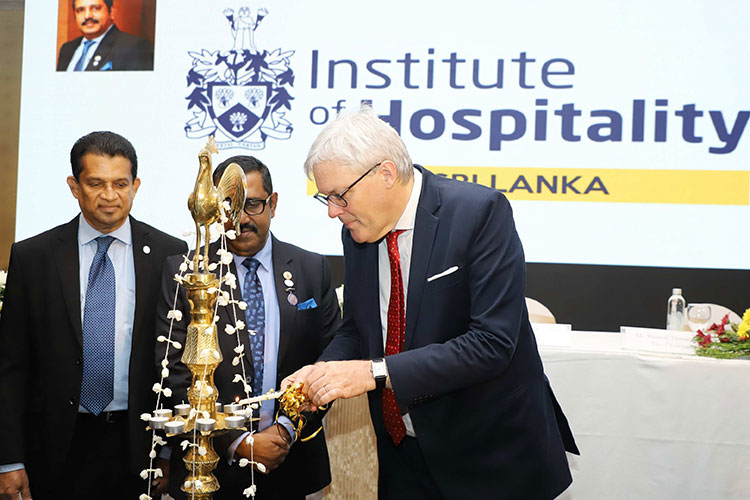

Pix by Thushara Attapathu
Life style
He recognizes human identity beyond boundaries of gender, race, nationality and religion.
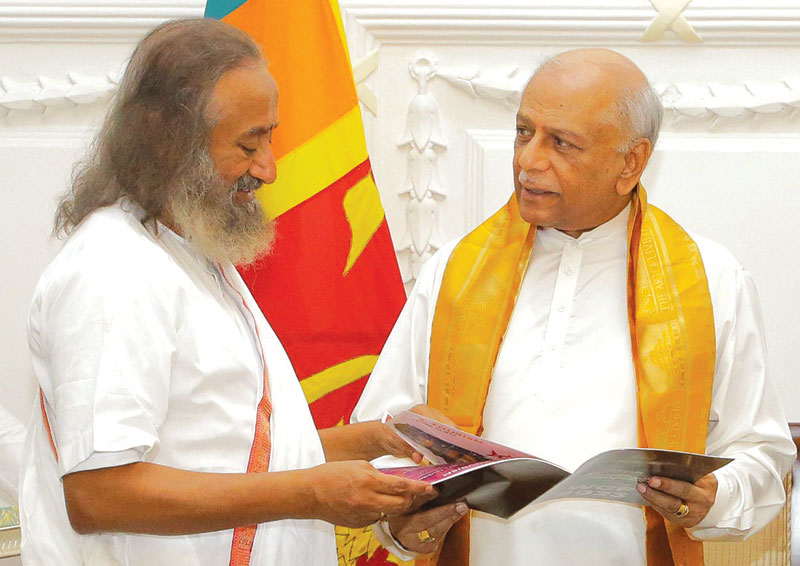
Visit of Sri Gurudev to Sri Lanka
Humanitarian, spiritual leader and Global Ambassador of Peace Gurudev Sri Sri Ravi Shankar (Sri Gurudev) was in Sri Lanka on a three day tour on the invitation of the Prime Minister of Sri Lanka Dinesh Gunewardene. Gurudev who inspired a wave of volunteerism and service to moot one of the largest volunteer-based organisations in the world – The Art of Living – visited the various projects under the aegis of the foundation and launched twelve vocational and technical centers around the island. He was accompanied by thousands of followers from Sri Lanka and around the world.
Gurudev who visited Sri Lanka for the sixth time also had a first day cover launched in honour of his visit. He is a strong proponent of spreading happiness, using the unique Sudarshan Kriya, yoga, meditation and practical wisdom to unite people, empower individuals and transform communities. His programmes provide techniques and tools to live a deeper, more joyous life, while his non-profit organisations recognize the human identity beyond the boundaries of gender, race, nationality and religion.
The Art of Living which has more than 30,000 teachers and over one million volunteers across 180 countries has touched in excess of five hundred million people around the world. CNN called it “Life Changing” and The Washington Post headlined it, “Fresh air to millions”.
In Trincomalee, Gurudev met with war victims and had a heartwarming engagement with the children from the children’s homes run by the Foundation. He also visited the Koneswara Temple in Trincomalee and graced the Kumbhabhishekam at Seetha ecogPnize the human identity beyond the boundaries of gender, race, nationality and religion. Amman temple at Nuwara Eliya. He held discussions with the trustees on the progress of the foundation’s social service projects, while also holding a special event – Ekamuthuwa – attended by a large number of dignitaries and his devotees from around the world.
His time with the Prime Minister was spent discussing the prospects of unity in diversity and uniting Sri Lanka by adding happiness into the formula of living. In addition he had discussions with the Speaker of the Parliament of Sri Lanka Mahinda Yapa Abeywardena, prominent business stewards and civil society leaders.
by Zanita Careem
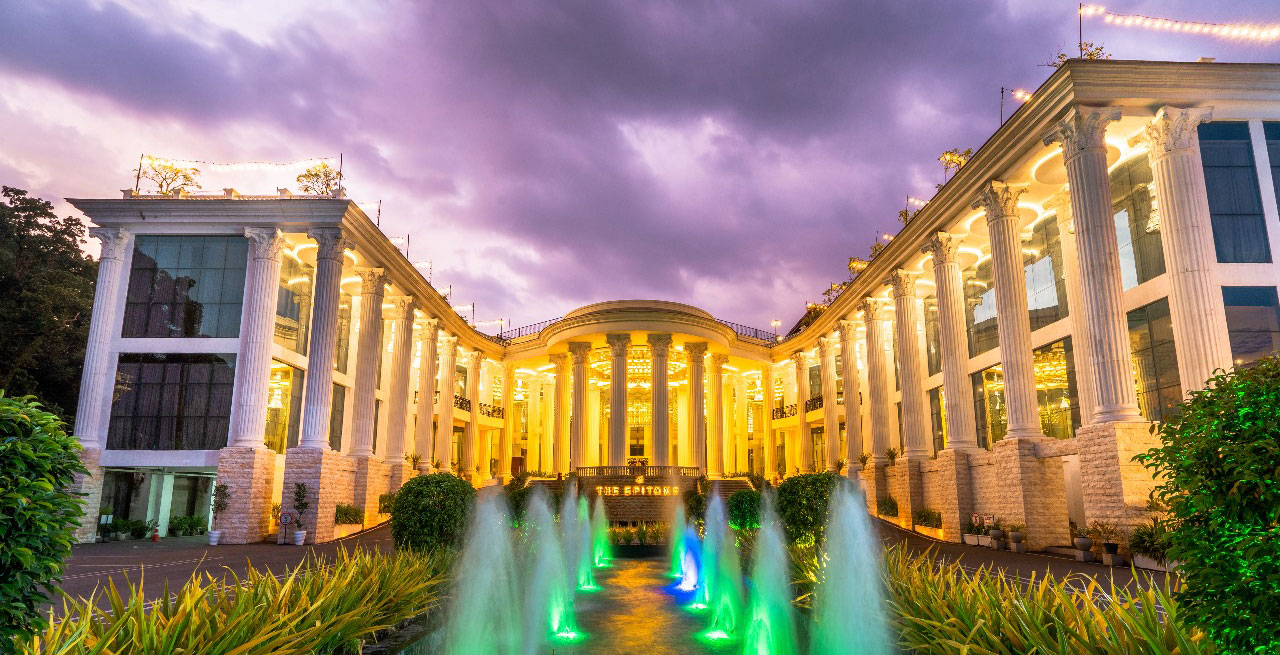
Envison your dream wedding day come to life at the Epitome Hotel, a prestigious city hotel in Kurunegala offering an unrivalled luxury rendors experience for weddings.
The venue is designed to embody opulence and luxury from all quarters for a spectacular wedding in kurunegala,Thier ballroom is the largest banquet facility in Sri Lanka It can be divided into six luxurious pillarless wedding halls on the ground floor and 25pax smaller banquet halls.
It can be easily named as a five star heaven in the heart of the city contributing to a myriad of immense experiences tailored to inspire and delight wedding experiences.
From opulent décor set up to exquisite table decor, lavish food, every detail is meticulously curated to spark your imagination and ignite creativity for a perfect wedding. The previous prestigious wedding shows season one and season two attracted large crowds
were unique events which gave the wedding vendors and potential clients had an opportunity to connect and interact with each other. Beyond being a showcase it was a chance for the wedding vendors to unite and contribute to the vibrancy of the wedding industry. The wedding show covered all area of the bridal industry providing a comprehensive variety of bridal supplies from Sri lanka and became the most popular bridal exhibitions in Kurunegala.This bridal exhibitions allowed brides and grooms to experience first hand the products and services available from suppliers in Sri Lanka
These wedding shows held at The Epitome created a benchmark and gave an opportunity for vendors to create connections to the utmost satisfaction said Harshan Lakshita Executive Director. of the magnificent Hotel
Our wedding shows featured experts and professionals in every field‘ It covered all areas of the bridal industry provided a comprehensive variety of bridal supplies from Sri lanka and became most popular bridal exhibition in this region.We are always open to everyone to join us at our wedding shows in the future. It is an opportunity to discover the incredible talent within our local wedding and bridal vendors to make meaningful relationships and plan thier special day at our breathtaking hotel The Epitome said General Manager Kavinda Caldera
The Epitome Hotel’s bridal show which will be held end of June will buzz with great ideas,advice and inspiration for all those who plan thier dream wedding
…….
The Hotel Epitome’s Wedding Season 3 will marked excellence, celebration and inspiration for those in the wedding industry. The exhibition halls will resonate with ideas on exquisite bridal wear to decor, florists , photography etc and showshowcase the rich tapestry of talent within the local wedding industry. .






US sports envoys to Lanka to champion youth development

Rahuman questions sudden cancellation of leave of CEB employees


