
News
Compasssion for Living Beings: calling for a Ban on Trap guns, Hakka Pattas and Leopard Noose Snares

Dr Sarala Fernando
In today’s world of the Covid pandemic and climate change disasters, the increase of human violence is seen in the many family murders and child abuse cases reported in the Sri Lanka press. Nevertheless the government has not hesitated to take strong policy decisions in the right direction, raising the age of employment for children, cracking down on child abuse and internet trafficking, etc.
In the same way, when the Covid crisis has led to a noticeable increase in poaching of wild animals, will the government, recalling the teachings of the Compassionate One, move to ban cruel and indiscriminate devices for killing like trap guns, hakka patas and leopard snares? Will our young members of parliament take the lead to protect the biodiversity treasure which is our heritage and provide the spark for the new thinking and national conservation efforts?
In a predominantly Buddhist country it is incomprehensible that so many deadly devices are in common use for killing wild animals in the most gruesome way, causing maximum pain and suffering. In the case of trap guns and hakka pattas, these indiscriminate traps also end up harming humans. Recently a young entrepreneur was walking around his own land in Kurunegala when a trap gun set up by poachers exploded causing the bullet to explode in his leg requiring urgent surgery and a painful process of recovery thereafter. He was lucky that he didn’t lose the leg. Hakka pattas are known to have exploded while they are being put together, and there are cases where children have been severely injured after picking up what looks like fruit without knowing it contains explosives. Numerous baby elephants have died in great suffering from hakka patas while foraging, being low off the ground and ignorant of man’s cruelty.
Moreover, there is a security risk, why are we allowing people to get familiar with indiscriminate weapons and making explosives in killing devices? Surely after three decades of armed conflict and the proliferation of locally manufactured bombs, land mines and other explosive traps, we would know better than to encourage such expertise at the village level?
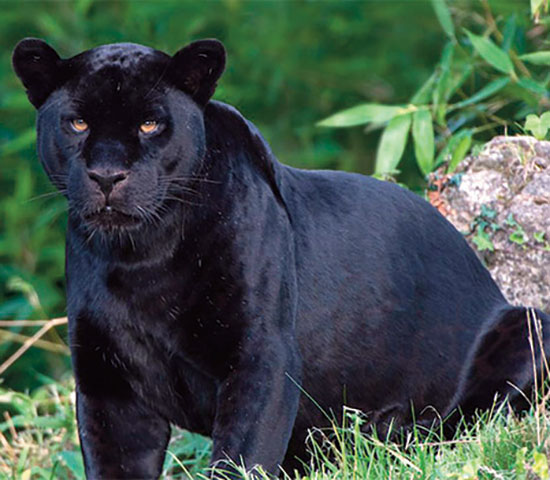
Recently there was wide publicity on International Day of the Leopard, highlighting the value of the Sri Lanka leopard (Panthera pardus kotiya) as a specific sub-species. An Australian zoo announced the success of its captive breeding programme mentioning that only 800 such leopards existed in the wild. Yet of late there have been many reports in Sri Lanka of leopard killings. The discovery of a plethora of leopard noose snares in the upcountry suggests a new element, that a criminal gang linked to the illegal trade in wild animal parts for traditional Asian medicine may be in operation as some animals have been found with their teeth and claws removed. The sighting of a rare black leopard was reported and within a few weeks was found noosed to death- no one knows whether the body parts, worth hundreds of thousands of rupees, were removed or how they were disposed of. Will the wild life department or police provide any answers?
During the armed conflict when there was awareness of the dangers of weapons proliferation, a national commission was set up under then Secretary of Defence, Gotabaya Rajapaksa to deal with the proliferation of illicit small arms and light weapons, the first in the region. It was able to seek out, confiscate and destroy 35,000 small arms in a public event in 2005. Yet today this threat to national security seems all but forgotten with one Minister in charge of Wildlife, a former Army Commander, even suggesting that hundreds of guns be bought and placed in the hands of Civil Defence forces to solve the human-elephant conflict, drawing huge protests from environmentalists. Added to this is the new -fangled rush to promote pistol shooting in schools, setting up of pistol shooting ranges and even bringing back spearfishing, all in the name of “adventure” sports. Look at the present situation in the US where the powerful NRA gun lobby has managed to stall every initiative on gun control despite the horrific shootings and deaths reported from schools around the country. Is this what we want in Sri Lanka?
Now that there is a growing constituency among the youth in this country to promote environmental protection, heritage and healthy life styles like yoga, why not the young members of parliament get together across the benches, to make a start to prioritize these matters ? They should push for inclusion of a specific reference in the new constitution which resembles the Indian clause 51- A(g) which states “It shall be the duty of every citizen of India to protect and improve the natural environment including forests, lakes, rivers and wildlife and to have compassion for living creatures.”
While waiting for the new Constitution (which may or may not come), an alternative practical approach is to enact the basic legislation for the protection of animals, the Animals Rights Bill, which has been stagnating for years without getting through Parliament. Will the young parliamentarians lead the way in getting this important legislation through?
Calling for a ban on animal slaughter is a good step towards encouraging compassion towards animals, reminding also of the appeal for the “kiri amma” popularized by former Speaker Lokubandara. But has such a policy been carefully processed for implementation? For example how will this work with simultaneously encouraging dairy farming for local production of milk and what does one do with the released cattle? In India, shameful to relate, it has been reported that while cows may not be slaughtered, these animals are sent over the border to their death in Bangladesh and even strung on wires and hauled across at the boundary.
Sri Lanka lags behind South Asian countries like India, Bhutan and Maldives in respect of priority given by policy makers to environmental and wild life protection. In India, Prime Minister Modi who loves the wild, has led the way in a national campaign to protect the tigers, giving authority to local wild life officers to strictly control traffic including tourists and re-locate villages where required, even to close certain roads to the public after dark; these efforts have succeeded to such an extent in increasing tiger numbers that there is now a new project to bring back the cheetahs. Bhutan and Maldives have built their tourism and won international recognition while earning valuable foreign exchange by strong environmental safeguards displaying sensitivity to the carrying capacity of the land while protecting the natural heritage of mountains (in Bhutan) and the marine environment and surrounding seas (in Maldives).
The opposite has happened in Sri Lanka, where basic efforts even to control the number of jeeps going into Yala have been stymied by political pressure. Now it seems new roads and construction activity are planned for Yala in the name of tourism, ignoring existing protection legislation and adding to the pressure on the animals. Sri Lanka tourism is giving priority to open up more land in ecologically sensitive areas for new hotel construction, in this time of natural disasters and climate change, with rocks rolling down and earthslips frequently recorded in the sensitive hill areas, what is this lunacy for Sri Lanka tourism to even entertain such projects as building cable cars for tourists in those areas?
Even as the government seems interested only in maximizing tourist flows and the revenue from our national parks, sadly even the international lending agencies are supporting more institutional development for wild life officers, rather than encouraging active field work to protect the parks and animals. In the past, those officers in charge of the parks may not have had degrees and diplomas, but they had walked and patrolled every foot of the range under their watch and took good care of the land to ensure it could provide the necessary food and water for the animals so that they did not need to go crop raiding outside the parks. Even during the armed conflict when Yala was overlooked by the STF under an inspired security leader, the needs of the animals were protected from both terrorists and poachers.
Today it has fallen to the private sector led by concerned young environmentalists who have begun the clearing of invasive species from the parks to allow the grasses to grow and the surrounding trees and shrubs to return to life . The rescue of Bundala many years ago was inspired by MAS joined by HNB and have led to similar initiative today in Minneriya under the Federation of Environmental Organizations which is now working to remove invasive species from Lunugamvehera, providing much needed grasses and food for the elephants. Perfect platform for public-private partnership and sustainable tourism?
(Sarala Fernando, retired from the Foreign Ministry as Additional Secretary and her last Ambassadorial appointment was as Permanent Representative to the UN and International Organizations in Geneva . Her Ph.D was on India-Sri Lanka relations and she writes now on foreign policy, diplomacy and protection of heritage).




The U.S. Embassy in Colombo welcomed the U.S. Sports Envoys to Sri Lanka, former National Basketball Association (NBA) and Women’s National Basketball Association (WNBA) players Stephen Howard and Astou Ndiaye, from June 8 through 14.
The Public Diplomacy section of the U.S. Embassy said that it would launch a weeklong basketball program intended to harness the unifying power of sports, made possible through collaboration with Foundation of Goodness and IImpact Hoop Lab.
While in Sri Lanka, Howard and Ndiaye, both retired professional basketball players, will conduct a weeklong program, Hoops for Hope: Bridging Borders through Basketball. The Sports Envoys will lead basketball clinics and exhibition matches and engage in leadership sessions in Colombo and Southern Province for youth aged 14-18 from Northern, Uva, Eastern and Western Provinces, offering skills and leadership training both on and off the court. The U.S. Envoys will also share their expertise with the Sri Lanka Basketball Federation, national coaches, and players, furthering the development of basketball in the country. Beyond the clinics, they will collaborate with Sri Lankan schoolchildren to take part in a community service project in the Colombo area.
“We are so proud to welcome Stephen and Astou as our Sports Envoys to Sri Lanka, to build on the strong people-to-people connections between the United States and Sri Lanka,” said U.S. Ambassador Julie Chung. “The lessons that will be shared by our Sports Envoys – communication, teamwork, resilience, inclusion, and conflict resolution – are essential for leadership development, community building, equality, and peace. The U.S. Sports Envoy program is a testament to our belief that sports can be a powerful tool in promoting peace and unity.”
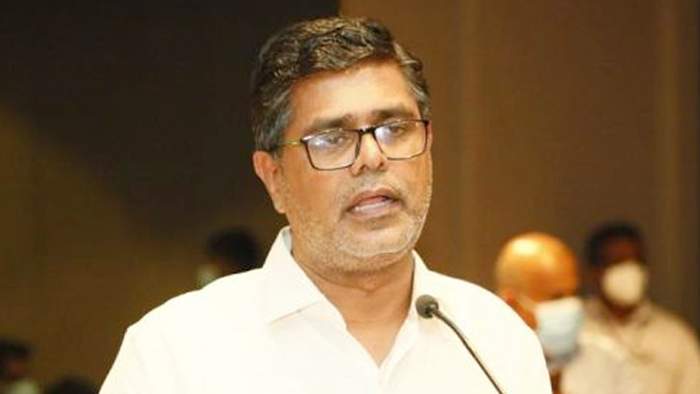
SJB Colombo District MP Mujibur Rahuman in parliament demanded to know from the government the reasons for CEB suspending the leave of all its employees until further notice from Thursday.
MP Rahuman said that the CEB has got an acting General Manager anew and the latter yesterday morning issued a circular suspending leave of all CEB employees with immediate effect until further notice.
“We demand that Minister Kanchana Wijesekera should explain this to the House. This circular was issued while this debate on the new Electricity Amendment Bill was pending. There are many who oppose this Bill. The Minister must tell parliament the reason for the urge to cancel the leave of CEB employees,” the MP said.However, Speaker Mahinda Yapa Abeywardena prevented Minister Wijesekera responding to the query and said that the matter raised by MP Rahuman was not relevant.
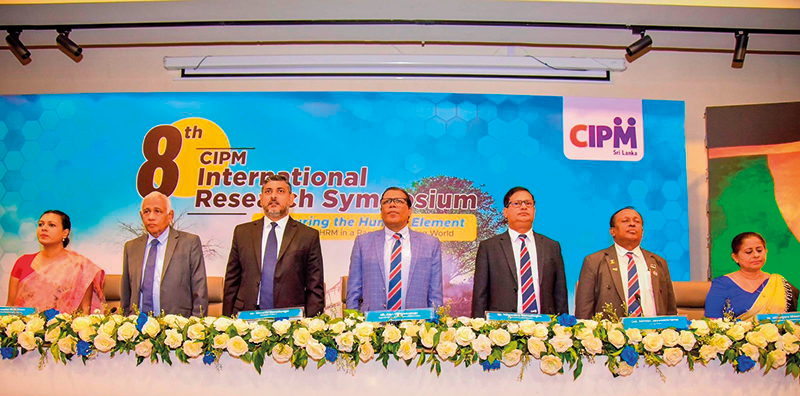
The Chartered Institute of Personnel Management (CIPM) successfully concluded the 8th Annual CIPM Symposium, which took place on 31st May 2024. Themed “Nurturing the Human Element—Redefining HRM in a Rapidly Changing World,” the symposium underscored the pivotal role of human resource management (HRM) in today’s dynamic global landscape. Since its inception in 1959, CIPM has been dedicated to advancing the HR profession through education, professional development, and advocacy, solidifying its position as Sri Lanka’s leading professional body for HRM.
Ken Vijayakumar, the President of the CIPM, graced the occasion as the chief guest. The symposium commenced with the welcome address by the Chairperson, Prof. Arosha Adikaram, followed by the Web Launch of the Symposium Proceedings and Abstract Book by the CIPM President. The event featured distinguished addresses, including a speech by Chief Guest Ken Vijayakumar, President of CIPM, and an address by Guest of Honor Shakthi Ranatunga, Chief Operating Officer of MAS Holdings Pvt. Ltd., Sri Lanka.
The symposium also featured an inspiring keynote address by Prof. Mario Fernando, Professor of Management and Director of the Centre for Cross Cultural Management (CCCM) at the University of Wollongong, Australia.
Vote of Thanks of the inauguration session was delivered by Dr. Dillanjani Weeratunga, Symposium Co-chair.
The symposium served as a comprehensive platform for researchers to present their findings across a wide range of critical topics in HRM. These included Cultural Diversity and Inclusion, Talent Development and Retention, Ethical Leadership and Corporate Social Responsibility, Adapting to Technological Advancements, Mental Health and Well-being at Work, Global Workforce Challenges, Employee Empowerment, and Reskilling and Upskilling.
The plenary session was led by Prof. Wasantha Rajapakse. Certificates were awarded to the best paper presenters during the valedictory session, followed by a vote of thanks delivered by Kamani Perera, Manager of Research and Development.
The annual symposium of CIPM was a truly inclusive event, attracting a diverse audience that spanned undergraduates, graduates, working professionals, research scholars and lecturers. This widespread interest highlights the symposium’s significance in the field of HRM, offering a unique opportunity for everyone to network and learn from scholarly brains.The CIPM International Research Symposium was sponsored by Hambantota International Port, Sri Lanka Institute of Information Technology (SLIIT), E B Creasy & Co. PLC, and Print Xcel Company.



US sports envoys to Lanka to champion youth development

Rahuman questions sudden cancellation of leave of CEB employees


