
Life style
Banana: the everyday super fruit


by Randima Attygalle
Be it visiting loved ones for the new year or on any other occasion, taking a comb of bananas along is a time-honoured practice among Lankans. We are not alone in our love for this delectable fruit relished over centuries by mankind and herbivorous animals alike. One of the most widely grown fruit crops in the world, banana occupies a top place in the fresh fruit trade, second only to orange. Banana (Musa spp.) is native to South Asia and Western Pacific Region. The wild ancestors of cultivated banana Musa acuminate Colla and Musa balbisiana Colla are distributed in South and South East Asian countries including Sri Lanka.
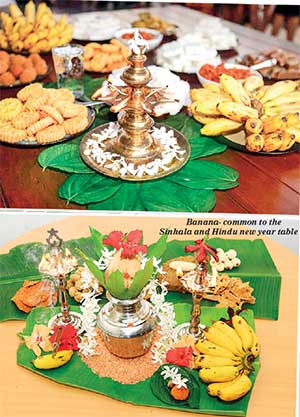 The earliest written reference to bananas in Sri Lankan history goes back to about 341 A.D. the time of King Buddhadasa who is reputed to have been a skilled physician. The king had recorded in his Sarartha Sangragaha, the medicinal values of various parts of the banana plant. There is also evidence that the prehistoric inhabitants of the island, over 12,000 years ago had eaten wild bananas. The seed remains of ati-eta kesel which had been found in a carbonized state in the stone-age cave sites of Batadombalena in the Ratnapura District prove the long existence of banana in Sri Lanka.
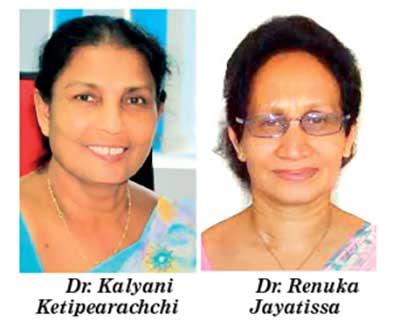
“Botanically known to be a kind of berry, banana is the only fruit crop equally recognized as a fruit and a vegetable. Although ‘bananas’ and ‘plantains’ are commonly used to name the fruit, there is a distinction between them. The two major types of edible banana cultivars in the country are classified into banana and plantain each with different morphological characters and uses. “While banana is considered to be the ‘dessert’ type, plantains are the cooking type,” explains Dr. Kalyani Ketipearachchi, former Principal Scientist (Fruit Agronomy), Fruits Crops Research and Development Station of the Department of Agriculture in Gannoruwa, Peradeniya. Today what is known as ‘ornamental banana species’ have also found a place in home gardens, she adds.
While almost 1,000 varieties of bananas are found across the world, there are around 50 varieties locally found, says Dr. Ketipearachchi. Other than a few varieties introduced scientifically through international research projects such as Ambun types, Cavendish type, recommended varieties of Kandula and
Pulathisi, almost all the others are indigenous to the country, she adds.
Sri Lankan bananas are found in three main groups: the Mysore, the Kolikuttu and the Cavendish. Ambul and seeni bananas are of Mysore group. Kolikuttu, suwendel, puwalu and rath kehel belong to the Kolikuttu group, while embun, anamalu, nethrampalam and bim-kesel belong to the Cavendish group. While all these are popular dessert bananas, alu-kesel or ash plantain is a cooking variety. Among the cooking types are Kithala, Mondan, Etamuru, and Marathamana which are however not as common as alu-kesel. Nethrampalam, she says, is the most expensive local variety. “This is not commonly available as it is not yet cultivated on a large scale. Nethrapalam is believed to help improve eyesight and contains aphrodisiac qualities. Bimkesel or Navkesel is also a Cavendish type known as Sri Lankan Cavendish. The tree is of dwarf size and its fruit bunch almost touches the ground.
 Bananas are a popular fruit crop ensuring high economic returns throughout the year. “This is the fruit’s biggest attraction, as it could be grown across the country even at very high elevations unlike other seasonal fruits such as rambutan or mango. Moreover, banana can be harvested in shorter periods, bearing fruit in about ten months,” notes Dr. Ketipearachchi. The economic life span of a tree is about four years.
Nearly 50,000 hectares of land are under banana in Sri Lanka – that’s about 54% of the total fruit cultivation extent, according to the Department of Agriculture. It is also our highest export fruit crop. According to the Export Development Board’s numbers, Cavendish has a high demand in the international market and ambul and rath kesel are also exported in small quantities. Middle East countries are the largest buyers of Lankan bananas, (largely Cavendish) followed by several European countries including Germany, Switzerland, Netherlands and the UK. Japan and New Zealand are also among lead buyers.
Along with its everyday presence in Lankan homes, the fruit is also part of the country’s religious and cultural fabric. All of it, be it leaves, flower bud, pseudo stem or corm, no part of this plant goes unutilized. It is also a popular weaning food for infants as it is easily digestible, soft and palatable. Rice and curry wrapped in banana leaves, popularly known as kesel-kola buth is much relished, giving a special flavour to a meal apart from its packaging function.
Harvard School of Public Health in their literature alludes to banana as the ‘iconic golden fruit’ which carries the title of the ‘first super-food endorsed by the American Medical Association in the early 20th century as a health food for children and a treatment for celiac disease. Rich in potassium, vitamin A and C, banana can easily fulfill the minimum daily fruit requirement of 100gms, says Dr. Renuka Jayatissa, Head of the Department of Nutrition at the Medical Research Institute and President of the Sri Lanka Medical Nutrition Association.
An advocate of ‘a banana a day keeps the doctor away,’ she remarks that banana is a natural intervention for tropical lands like ours to supplement the minerals lost due to heat. “It’s actually a wonder fruit with many advantages – nutrition value, affordability, availability and its natural peel-wrapper, makes it a safe and a practical fruit that could be eaten at any time without interfering with our meal patterns.”
Nearly 50% of Lankan adults have high blood pressure says the Clinical Nutritionist. Rich is potassium, the fruit is  recommended for maintaining blood pressure levels. However, those with potassium-related health issues need to be conscious of how much of the fruit they eat, says Dr. Jayatissa. As it is rich in calories and carbohydrates, it should be eaten in moderation by diabetics and other high risk groups such as the overweight and the obese, to prevent glycemic overloading. “People unnecessarily fear banana which should not be the case. Eating in moderation is the key,” she notes.
The nutritional level of different kinds of bananas varies but this is not very significant, so people have the advantage of enjoying their preferred variety, Dr. Jayatissa says. “Ambul has more citric acid, and that’s the reason why it doesn’t agree with those who have citric acid intolerance. But such cases are now not very common. Rath-kesel has more beta-carotenes and is good for those with Vitamin A deficiency. Anamalu is recommended to treat diarrhea as well as constipation,” she explains emphasizing that this fruit can also meet the recommended daily dose of vitamin C as a buffer against COVID-19.
Citing Thailand’s example, she says that the wastage of this wonder fruit must be avoided. “In Thailand, hardly any bananas are thrown away. Overripe fruit is sun-dried and diced into small pieces which they enjoy with ice cream or smoothies. We can learn from this and even add it to our much loved curd. Banana peel soaked in water for three days is a good fertilizer”, Dr Jayatissa says, encouraging Lankans to be more creative with this abundant fruit.



Institute of Hospitality Sri Lanka
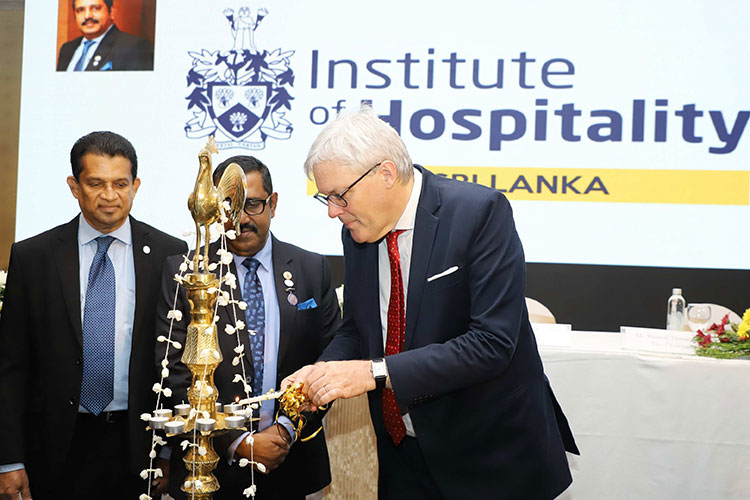
 The 32nd Annual General Meeting (AGM) of the UK-based Institute of Hospitality’s Sri Lanka Chapter was held recently at the Ramada Hotel Colombo,.The event provided an evening of camaraderie , reflection of the past and present achievements,setting new benchmarks for the future
The AGM had the presence of two distinguished guests, the Chief Guest Opposition Leader Sajith Premadasa, and the Guest of Honour British High Commissioner to Sri Lanka, Andrew Patrick. Their inspiring speeches were lauded by all hoteliers who were present at the occasion
A special thanks was extended to Robert Richardson, CEO of the Institute of Hospitality UK, along with his team, sponsors, committee members, and all attendees for making the event memorable.
Dr. Harsha Jayasingh, Past President of the Institute of Hospitality (UK) Sri Lanka Chapter, emphasised the Institute’s longstanding history and the strength of its Sri Lankan branch. “The Institute of Hospitality (IH) UK has a history of 86 years, and we are proud to be the Sri Lanka Branch. IH Sri Lanka is much stronger now with many members from all areas of the hospitality industry,” he stated.
Dr. Jayasingh highlighted the significant role of tourism in Sri Lanka’s economy,. He said tourism it is the third-largest source of revenue for the country. “Tourism accounts for about 13.3% of total foreign exchange earnings and employs 450,000 people directly and indirectly. The hospitality industry in this island of pearl holds tremendous potential for economic growth, job creations, and cultural exchange,” he added.
He also pointed out more women should be attracted to the industry and advocated for the use of technology in hospitality sector to attract the younger generation.
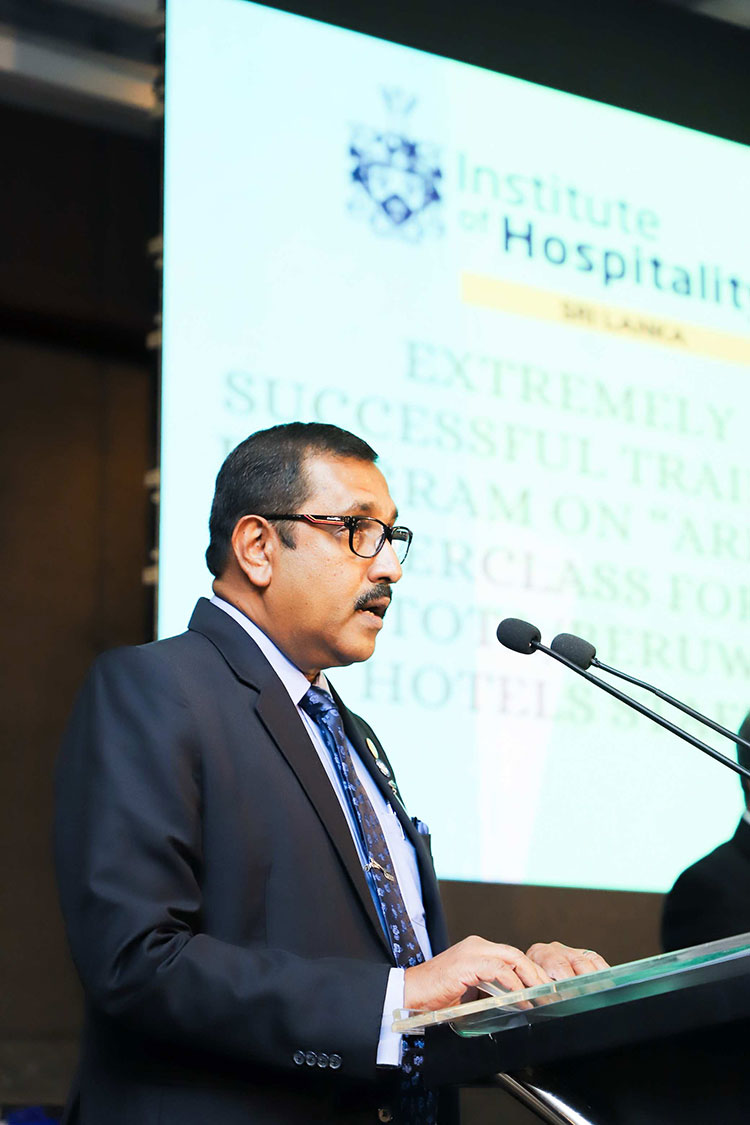
The newly appointed Chairman Ramesh Dassanayake spoke about the challenges faced by the industry, including the reluctance of youth to join the sector. . Dassanayake expressed concerns over the migration of staff between hotels and the overall ‘brain drain’ in the sector. ” We must maintain high standards in the hotel We must try to attract tourists to Sri Lanka, we must have with many facilities Hence, hotel schools and other professional institutions involved in skills development mustincrease their intakes,” he pointed out.
Chief Guest Sajith Premadasa emphasised the importance of eco tourism and said “We need to have an environmental policy related to tourism in place,” . .
The 32nd AGM of the Institute of Hospitality UK, Sri Lanka Chapter, was a testament to the strength and potential of Sri Lanka’s hospitality industry. The insights and commitments shared during the event set a new benchmark for the future.(ZC)



Pix by Thushara Attapathu
Life style
He recognizes human identity beyond boundaries of gender, race, nationality and religion.

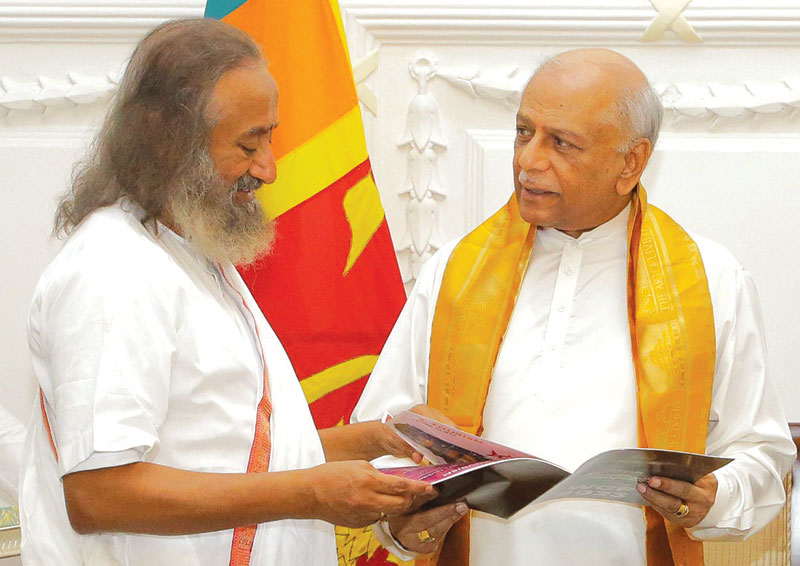
Visit of Sri Gurudev to Sri Lanka
Humanitarian, spiritual leader and Global Ambassador of Peace Gurudev Sri Sri Ravi Shankar (Sri Gurudev) was in Sri Lanka on a three day tour on the invitation of the Prime Minister of Sri Lanka Dinesh Gunewardene. Gurudev who inspired a wave of volunteerism and service to moot one of the largest volunteer-based organisations in the world – The Art of Living – visited the various projects under the aegis of the foundation and launched twelve vocational and technical centers around the island. He was accompanied by thousands of followers from Sri Lanka and around the world.
Gurudev who visited Sri Lanka for the sixth time also had a first day cover launched in honour of his visit. He is a strong proponent of spreading happiness, using the unique Sudarshan Kriya, yoga, meditation and practical wisdom to unite people, empower individuals and transform communities. His programmes provide techniques and tools to live a deeper, more joyous life, while his non-profit organisations recognize the human identity beyond the boundaries of gender, race, nationality and religion.
The Art of Living which has more than 30,000 teachers and over one million volunteers across 180 countries has touched in excess of five hundred million people around the world. CNN called it “Life Changing” and The Washington Post headlined it, “Fresh air to millions”.
In Trincomalee, Gurudev met with war victims and had a heartwarming engagement with the children from the children’s homes run by the Foundation. He also visited the Koneswara Temple in Trincomalee and graced the Kumbhabhishekam at Seetha ecogPnize the human identity beyond the boundaries of gender, race, nationality and religion. Amman temple at Nuwara Eliya. He held discussions with the trustees on the progress of the foundation’s social service projects, while also holding a special event – Ekamuthuwa – attended by a large number of dignitaries and his devotees from around the world.
His time with the Prime Minister was spent discussing the prospects of unity in diversity and uniting Sri Lanka by adding happiness into the formula of living. In addition he had discussions with the Speaker of the Parliament of Sri Lanka Mahinda Yapa Abeywardena, prominent business stewards and civil society leaders.
by Zanita Careem
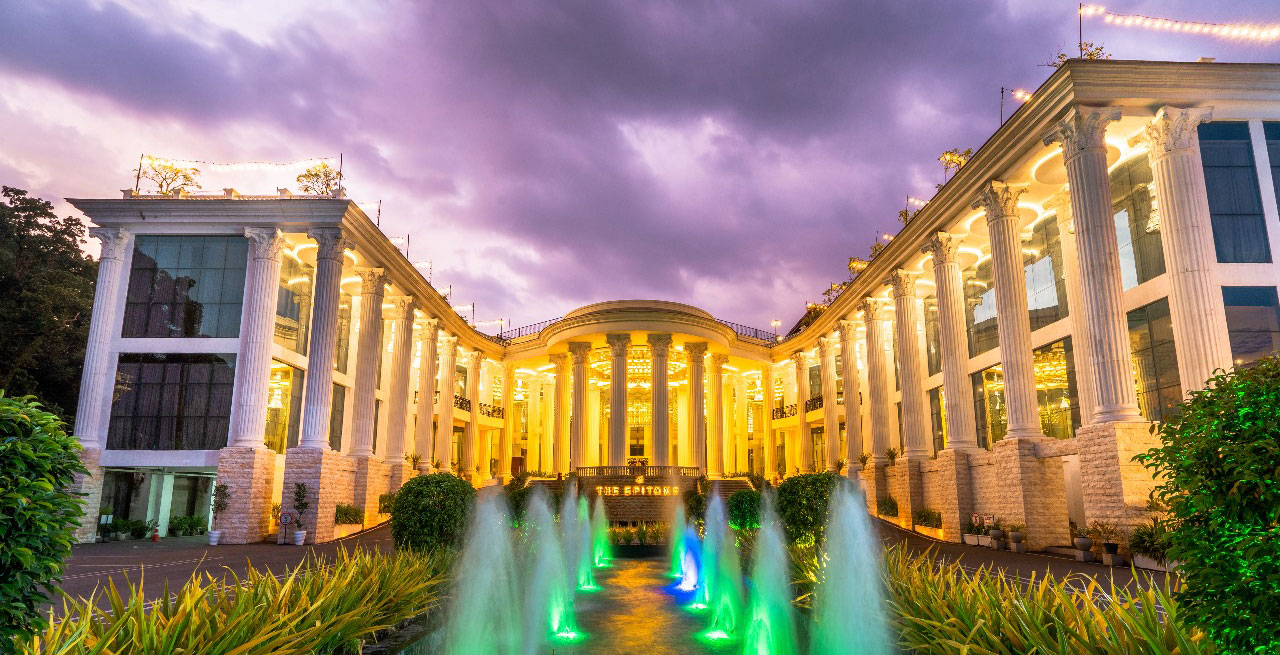
Envison your dream wedding day come to life at the Epitome Hotel, a prestigious city hotel in Kurunegala offering an unrivalled luxury rendors experience for weddings.
The venue is designed to embody opulence and luxury from all quarters for a spectacular wedding in kurunegala,Thier ballroom is the largest banquet facility in Sri Lanka It can be divided into six luxurious pillarless wedding halls on the ground floor and 25pax smaller banquet halls.
It can be easily named as a five star heaven in the heart of the city contributing to a myriad of immense experiences tailored to inspire and delight wedding experiences.
From opulent décor set up to exquisite table decor, lavish food, every detail is meticulously curated to spark your imagination and ignite creativity for a perfect wedding. The previous prestigious wedding shows season one and season two attracted large crowds
were unique events which gave the wedding vendors and potential clients had an opportunity to connect and interact with each other. Beyond being a showcase it was a chance for the wedding vendors to unite and contribute to the vibrancy of the wedding industry. The wedding show covered all area of the bridal industry providing a comprehensive variety of bridal supplies from Sri lanka and became the most popular bridal exhibitions in Kurunegala.This bridal exhibitions allowed brides and grooms to experience first hand the products and services available from suppliers in Sri Lanka
These wedding shows held at The Epitome created a benchmark and gave an opportunity for vendors to create connections to the utmost satisfaction said Harshan Lakshita Executive Director. of the magnificent Hotel
Our wedding shows featured experts and professionals in every field‘ It covered all areas of the bridal industry provided a comprehensive variety of bridal supplies from Sri lanka and became most popular bridal exhibition in this region.We are always open to everyone to join us at our wedding shows in the future. It is an opportunity to discover the incredible talent within our local wedding and bridal vendors to make meaningful relationships and plan thier special day at our breathtaking hotel The Epitome said General Manager Kavinda Caldera
The Epitome Hotel’s bridal show which will be held end of June will buzz with great ideas,advice and inspiration for all those who plan thier dream wedding
…….
The Hotel Epitome’s Wedding Season 3 will marked excellence, celebration and inspiration for those in the wedding industry. The exhibition halls will resonate with ideas on exquisite bridal wear to decor, florists , photography etc and showshowcase the rich tapestry of talent within the local wedding industry. .







US sports envoys to Lanka to champion youth development

Rahuman questions sudden cancellation of leave of CEB employees


