
Life style
All about Sushi

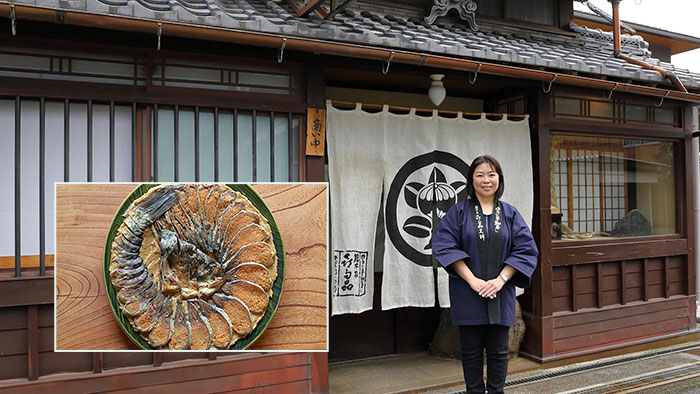
For the past 18 generations, one family has preserved a 400-year-old recipe showing how sushi once tasted, and it doesn’t use raw seafood, but fish aged for three years.On any fine day in spring, when the sky is clear and the waters of nearby Lake Biwa are calm enough for locals to go carp fishing, you can find Mariko Kitamura and her husband Atsushi at their shop Kitashina in the small Japanese town of Takashima making sushi.
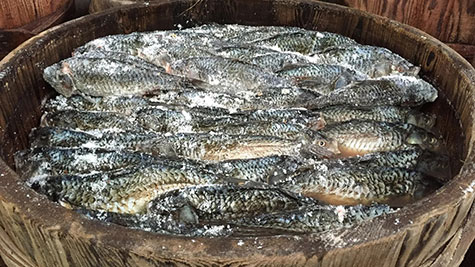
With the dexterity and speed you’d expect from sushi chefs, they scrape off the fish’s scales with a knife, remove its gills and carefully angle a skewer down its throat to remove its innards without penetrating its flesh. But what happens next is truly unexpected. They pack the fish with salt, layer them in a wooden tub, weigh the lid down with 30kg stones and leave them to cure for two years. Each fish is then thoroughly rinsed, dried in the sun for a day and fermented for one more year in cooked rice before it is ready to be eaten.
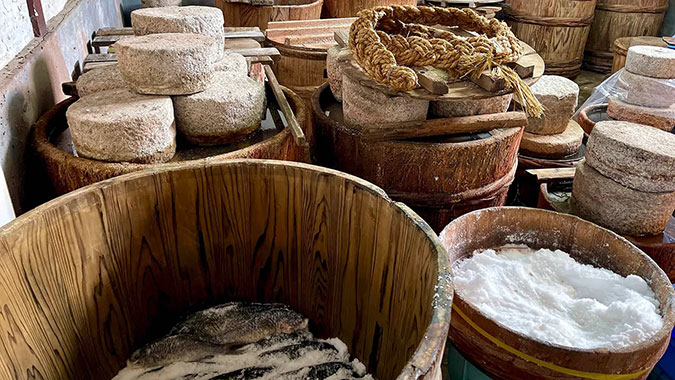
This is not the kind of sushi you might get in New York or London, or even easily in Tokyo for that matter. It is the predecessor of what the world now knows as sushi – the original sushi – called narezushi (fermented sushi). Kitamura’s family has been making it for 18 generations, ever since Kitashina opened in 1619 in this remote corner of Shiga prefecture, and today the centuries-old shop is one of a handful of places left in Japan, and the world, where you can experience how “real” sushi is supposed to taste.
Narezushi
is thousands of years old and traces its roots back to the rice fields of China, where the method of curing in salt and fermenting the freshwater fish that lived in the paddies was developed to give the seasonal catch a long shelf life. It is believed to have arrived in Japan at the country’s ancient capital of Nara sometime in the 8th Century. For the next 1,000 years, until it evolved in the 18th Century into the slices-of-raw-seafood-draped-over-mounds-of-rice dish we know today, narezushi was a commonly consumed, nourishing and tasty source of protein. People would eat a few pieces of it with the fermented rice. They’d put a slice of it in hot water to make a medicinal tea. And they enjoyed it as a delicacy with sake at the tables of aristocratic and samurai families.
As a testimony to narezushi’s importance and the skill required to make it, Kitamura’s ancestor 18 generations back, Kuemon Yamagataya (Kitashina’s founder), was appointed to the entourage of Lord Mitsunobu Wakebe when he moved to Takashima in 1619 to take charge of the castle at the request of Japan’s new military leader, Ieyasu Tokugawa.
Unlike modern sushi, which typically includes ocean seafood, Narezushi was made – and still is in small pockets of Japan – with pretty much anything that swims in fresh water, including tiny loach, ayu (small sweet fish) and eel. But the kind of narezushi Kitashina makes is much rarer and is considered the true prototype of sushi. It is called funazushi after the type of fish used: funa (carp).
Carp is the king of freshwater fish in Japan, with the most prized being Japanese crucian carp (nigorobuna), which is the original type of carp used to make funazushi and the kind Kitashina features. It is a wild, rich-tasting species that’s found only in Lake Biwa, Japan’s largest lake and one of the oldest lakes in the world.
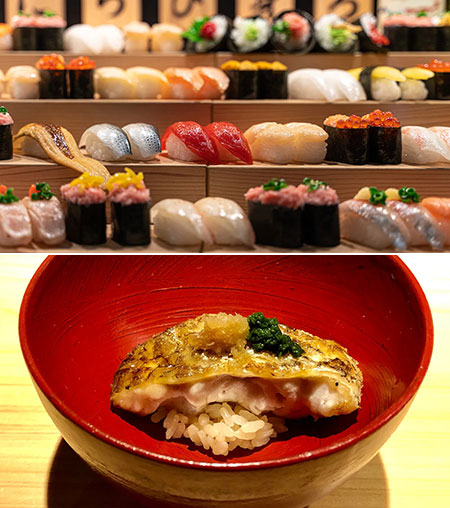
Today, there are just five shops around the lake that specialise in making high-quality funazushi, as nigorobuna has become very rare and hard to obtain. Other places, including souvenir shops across the prefecture, use more common types of carp and offer a comparatively ready-made version – funazushi cured in salt for one summer and fermented in rice for a few months in autumn – for tourists seeking to try its reputedly pungent taste. Among them all, Kitashina is the one making the most authentic funazushi by using nigorobuna and applying the oldest, most traditional preparation methods.
The good stuff is hard to get, though. Peak demand for Kitashina’s funazushi is from November to February when customers order it as a New Year’s treat, and later, to celebrate the arrival of spring. It can be sold out then, but a fresh batch, so to speak, is ready every year in mid-summer.
Before trying funazushi, Kitamura told me that it tastes like cheese – which it does, in its lacto- fermented, sour, salty and umami-rich way. It’s reminiscent of a funky and creamy type of cheese, given that Kitashina makes funazushi with the roe-laden female nigorobuna in season from March to May. Like many mature cheeses, funazushi is an acquired taste; a food that takes some getting used to. But then so is eating raw seafood for many people.
Kitamura, who attended the Kyoto Culinary Institute, took over the family business in 2013 when her father was ready to retire – partly because of her interest in food, but more importantly, to save the business from, literally, dying out. The beneficial micro-organisms that have thrived in her family’s traditional kioke wooden tubs for centuries, and which naturally produce the fermentation that gives Kitashina’s funazushi its authentic flavour, would die if the tubs were ever emptied.
Today, funazushi has become a luxury food across much of Japan, with Kitashina being the shop at which to buy it because of its refined, mellow flavour. According to Kitamura, that’s in part thanks to her grandfather, who, despite sushi’s growing popularity, continued to stick to Kitashina’s 400-year-old recipe of long fermentation and changing the rice once during the process. He also introduced the practice of serving it on a bed of sake lees – the sweet, rich paste left after pressing sake from the fermented rice mash – making the dish even more luxurious. Kitamura’s father, in turn, created the “Tomoe” style of beautifully presenting funazushi as a fan fashioned from the slices of a whole fish.
Kitashina’s funazushi is now featured on the menus of some of the most exclusive ryotei (traditional high-end Japanese eateries) and other top restaurants in Kyoto, as well as at similar establishments in Tokyo. Taking a cue from Kitamura’s grandfather’s presentation, chef Takumi Murata, of the L’Hotel de Hiei located atop the historical Mount Hiei overlooking Kyoto, serves Kitashina’s funazushi with wine jelly as an appetiser in the hotel’s main restaurant.
Compared to narezushi’s millennia-old history, the sushi we eat today is a mere footnote. Technically called hayazushi (fast sushi), it was created in Edo (modern-day Tokyo) in the late 18th Century as a fast-food version of narezushi to meet the needs of the city’s busy people. The newly bottled seasonings of fermented rice vinegar and soy sauce were used to recreate the essential sour, salty and rich taste of funazushi in the fresh seafood that was caught in Tokyo Bay. First, rice vinegar was added to cooked rice to speed up the fermentation process to just a few days. This practice also made the rice more edible. Later, freshly cooked rice was simply soaked with rice vinegar.
 The gamechanger, however, was soy sauce, which began to be mass produced in the 1700s. As Issei Tomioka, a former employee at the Tokyo Metropolitan Central Wholesale Market in Tsukiji, wrote in his series The History of Nihonbashi Uogashi, “sushi would likely not have been developed had it not been for soy sauce.” Brewed for at least two years, traditional soy sauce is a concentrated form of salty-savoury umami. Initially, it was used to marinate the seafood toppings for a few hours to prevent them from spoiling and also to make them more appetising. As the fresh quality of the seafood improved, sushi was served raw with soy sauce as a condiment.
Sushi is a remarkable example of the way Japan adopts foods from other countries, in this case China, and then adapts and assimilates them into its own rich culinary culture. After thousands of years, sushi continues to evolve.
Currently, the pendulum is swinging backwards, and sushi chefs in Japan are now aging their seafood toppings for days, weeks and even months to give all kinds of fish the creamy texture and savoury richness of funazushi. Koji Kimura, chef-owner of the two-Michelin-starred Sushi Kimura in Tokyo’s Setagaya ward, has been serving only aged sushi since 2008 and is
considered its modern-day pioneer.
Closer to Takashima, Yoichi Akashi, the chef at Sushi Zabo in Miyazu City, is following the tradition of Kitashina’s funazushi by taking an already rich-tasting, fatty fish like akamutsu (rosy seabass) caught fresh from the nearby Sea of Japan or East Sea (as it is referred to in Japan and Korea, respectively).
But even as chefs rediscover the potential of weeks- and months-aged sushi, Kitamura is staying well ahead of them. In a corner of Kitashina’s storeroom, she has a small wooden tub of funazushi that has been fermenting for eight years and counting.– BBC



Institute of Hospitality Sri Lanka
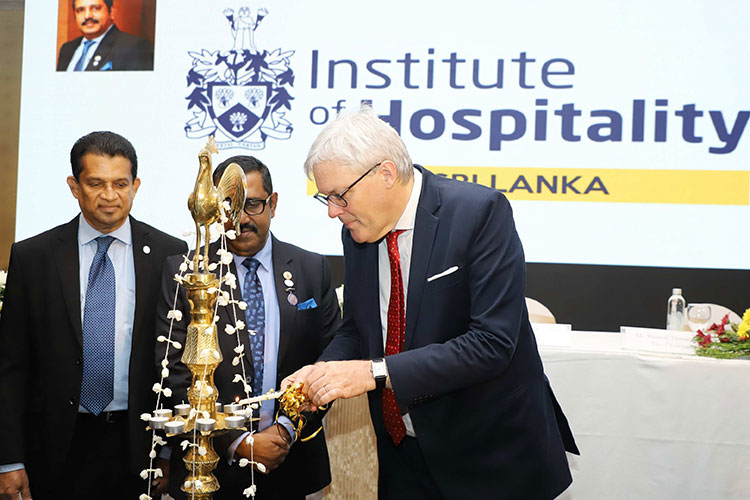
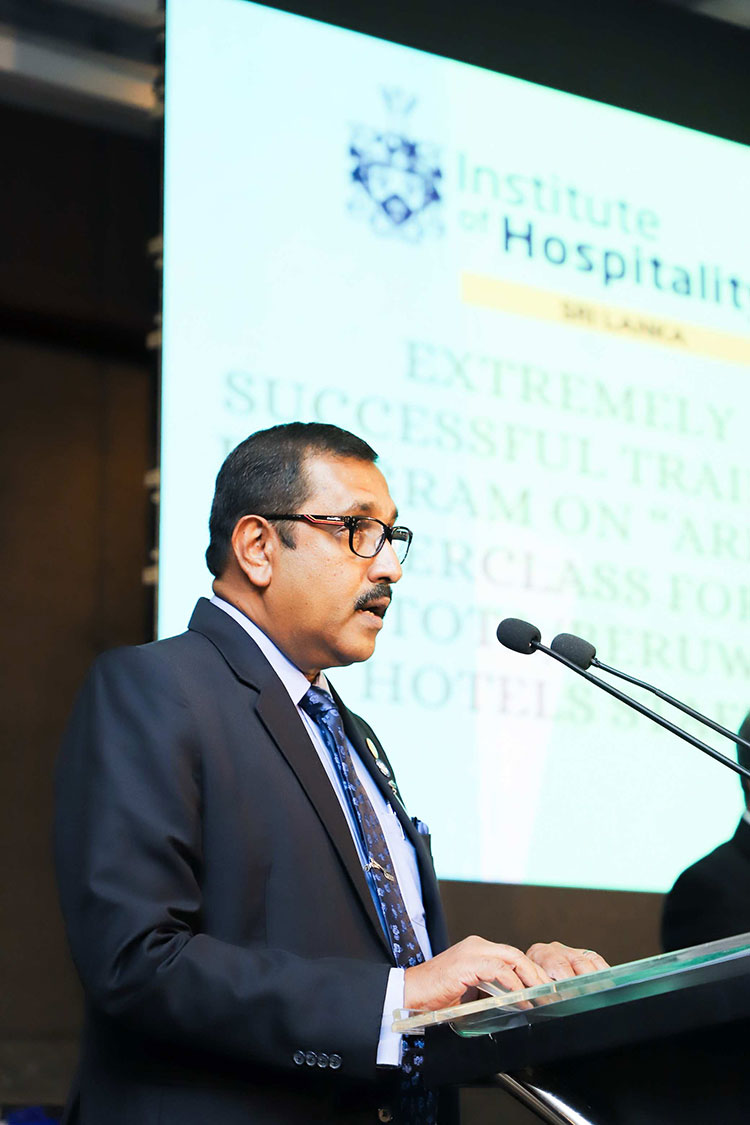
 The 32nd Annual General Meeting (AGM) of the UK-based Institute of Hospitality’s Sri Lanka Chapter was held recently at the Ramada Hotel Colombo,.The event provided an evening of camaraderie , reflection of the past and present achievements,setting new benchmarks for the future
The AGM had the presence of two distinguished guests, the Chief Guest Opposition Leader Sajith Premadasa, and the Guest of Honour British High Commissioner to Sri Lanka, Andrew Patrick. Their inspiring speeches were lauded by all hoteliers who were present at the occasion
A special thanks was extended to Robert Richardson, CEO of the Institute of Hospitality UK, along with his team, sponsors, committee members, and all attendees for making the event memorable.
Dr. Harsha Jayasingh, Past President of the Institute of Hospitality (UK) Sri Lanka Chapter, emphasised the Institute’s longstanding history and the strength of its Sri Lankan branch. “The Institute of Hospitality (IH) UK has a history of 86 years, and we are proud to be the Sri Lanka Branch. IH Sri Lanka is much stronger now with many members from all areas of the hospitality industry,” he stated.
Dr. Jayasingh highlighted the significant role of tourism in Sri Lanka’s economy,. He said tourism it is the third-largest source of revenue for the country. “Tourism accounts for about 13.3% of total foreign exchange earnings and employs 450,000 people directly and indirectly. The hospitality industry in this island of pearl holds tremendous potential for economic growth, job creations, and cultural exchange,” he added.
He also pointed out more women should be attracted to the industry and advocated for the use of technology in hospitality sector to attract the younger generation.
The newly appointed Chairman Ramesh Dassanayake spoke about the challenges faced by the industry, including the reluctance of youth to join the sector. . Dassanayake expressed concerns over the migration of staff between hotels and the overall ‘brain drain’ in the sector. ” We must maintain high standards in the hotel We must try to attract tourists to Sri Lanka, we must have with many facilities Hence, hotel schools and other professional institutions involved in skills development mustincrease their intakes,” he pointed out.
Chief Guest Sajith Premadasa emphasised the importance of eco tourism and said “We need to have an environmental policy related to tourism in place,” . .
The 32nd AGM of the Institute of Hospitality UK, Sri Lanka Chapter, was a testament to the strength and potential of Sri Lanka’s hospitality industry. The insights and commitments shared during the event set a new benchmark for the future.(ZC)



Pix by Thushara Attapathu
Life style
He recognizes human identity beyond boundaries of gender, race, nationality and religion.
Visit of Sri Gurudev to Sri Lanka
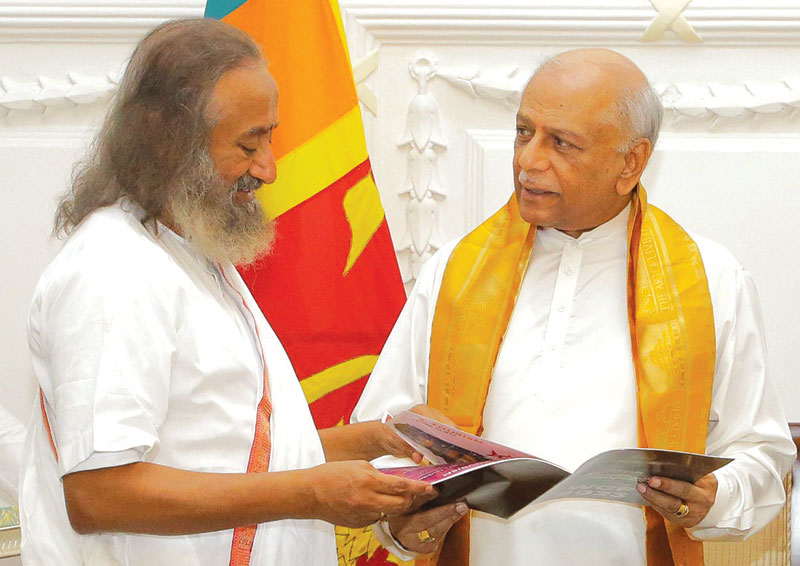
Humanitarian, spiritual leader and Global Ambassador of Peace Gurudev Sri Sri Ravi Shankar (Sri Gurudev) was in Sri Lanka on a three day tour on the invitation of the Prime Minister of Sri Lanka Dinesh Gunewardene. Gurudev who inspired a wave of volunteerism and service to moot one of the largest volunteer-based organisations in the world – The Art of Living – visited the various projects under the aegis of the foundation and launched twelve vocational and technical centers around the island. He was accompanied by thousands of followers from Sri Lanka and around the world.
Gurudev who visited Sri Lanka for the sixth time also had a first day cover launched in honour of his visit. He is a strong proponent of spreading happiness, using the unique Sudarshan Kriya, yoga, meditation and practical wisdom to unite people, empower individuals and transform communities. His programmes provide techniques and tools to live a deeper, more joyous life, while his non-profit organisations recognize the human identity beyond the boundaries of gender, race, nationality and religion.
The Art of Living which has more than 30,000 teachers and over one million volunteers across 180 countries has touched in excess of five hundred million people around the world. CNN called it “Life Changing” and The Washington Post headlined it, “Fresh air to millions”.
In Trincomalee, Gurudev met with war victims and had a heartwarming engagement with the children from the children’s homes run by the Foundation. He also visited the Koneswara Temple in Trincomalee and graced the Kumbhabhishekam at Seetha ecogPnize the human identity beyond the boundaries of gender, race, nationality and religion. Amman temple at Nuwara Eliya. He held discussions with the trustees on the progress of the foundation’s social service projects, while also holding a special event – Ekamuthuwa – attended by a large number of dignitaries and his devotees from around the world.
His time with the Prime Minister was spent discussing the prospects of unity in diversity and uniting Sri Lanka by adding happiness into the formula of living. In addition he had discussions with the Speaker of the Parliament of Sri Lanka Mahinda Yapa Abeywardena, prominent business stewards and civil society leaders.
by Zanita Careem
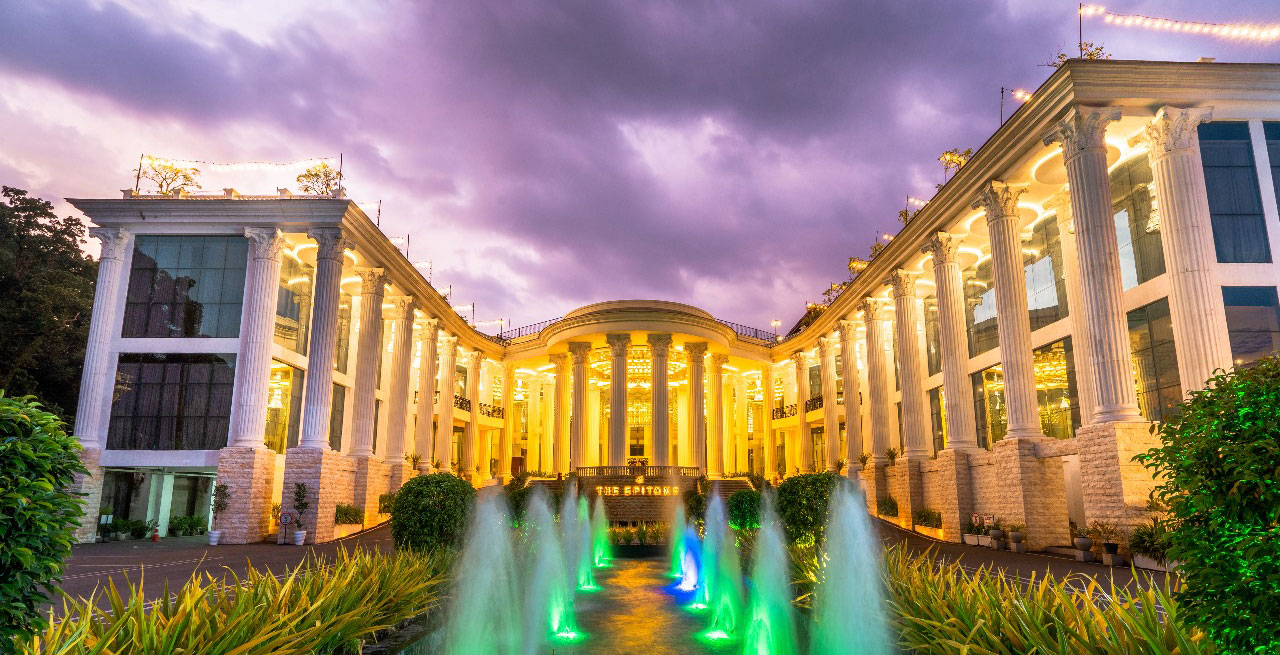
Envison your dream wedding day come to life at the Epitome Hotel, a prestigious city hotel in Kurunegala offering an unrivalled luxury rendors experience for weddings.
The venue is designed to embody opulence and luxury from all quarters for a spectacular wedding in kurunegala,Thier ballroom is the largest banquet facility in Sri Lanka It can be divided into six luxurious pillarless wedding halls on the ground floor and 25pax smaller banquet halls.
It can be easily named as a five star heaven in the heart of the city contributing to a myriad of immense experiences tailored to inspire and delight wedding experiences.
From opulent décor set up to exquisite table decor, lavish food, every detail is meticulously curated to spark your imagination and ignite creativity for a perfect wedding. The previous prestigious wedding shows season one and season two attracted large crowds
were unique events which gave the wedding vendors and potential clients had an opportunity to connect and interact with each other. Beyond being a showcase it was a chance for the wedding vendors to unite and contribute to the vibrancy of the wedding industry. The wedding show covered all area of the bridal industry providing a comprehensive variety of bridal supplies from Sri lanka and became the most popular bridal exhibitions in Kurunegala.This bridal exhibitions allowed brides and grooms to experience first hand the products and services available from suppliers in Sri Lanka
These wedding shows held at The Epitome created a benchmark and gave an opportunity for vendors to create connections to the utmost satisfaction said Harshan Lakshita Executive Director. of the magnificent Hotel
Our wedding shows featured experts and professionals in every field‘ It covered all areas of the bridal industry provided a comprehensive variety of bridal supplies from Sri lanka and became most popular bridal exhibition in this region.We are always open to everyone to join us at our wedding shows in the future. It is an opportunity to discover the incredible talent within our local wedding and bridal vendors to make meaningful relationships and plan thier special day at our breathtaking hotel The Epitome said General Manager Kavinda Caldera
The Epitome Hotel’s bridal show which will be held end of June will buzz with great ideas,advice and inspiration for all those who plan thier dream wedding
…….
The Hotel Epitome’s Wedding Season 3 will marked excellence, celebration and inspiration for those in the wedding industry. The exhibition halls will resonate with ideas on exquisite bridal wear to decor, florists , photography etc and showshowcase the rich tapestry of talent within the local wedding industry. .






US sports envoys to Lanka to champion youth development

Rahuman questions sudden cancellation of leave of CEB employees


